
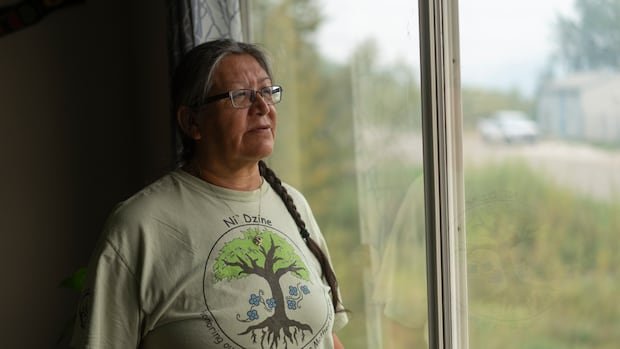
From her residence in Fort McKay, Jean L’Hommecourt witnesses a frequent haze of dust looming over the Athabasca River. The sky takes on a somber brown hue as thick particles swirl in the air, a common sight in this community nestled amidst the oilsands, approximately 55 kilometers north of Fort McMurray, Alberta. The landscape is dominated by surface mines and industrial activities.
L’Hommecourt, a former environmental manager for the Fort McKay First Nation and an experienced traditional land use researcher, remarks on the discolored northern sky. She notes how the dust drifts from the nearby mines, carried by the relentless wind that engulfs the area.
Recent peer-reviewed research featured in Atmospheric Pollution Research highlights that Fort McKay is burdened with exceptionally high levels of dust pollution, often surpassing regulatory standards for air quality. The study reveals that the community faces severe dustfall episodes driven by large dust particles, which settle rapidly over the area in intense bursts that standard monitoring fails to capture.
Conducted by University of Toronto PhD candidate Kristin Iorio and independent researchers in Alberta, the study emphasizes the inadequacy of relying solely on conventional air monitoring methods to assess the true impact of dustfall pollution on Fort McKay and neighboring communities affected by intensive resource development.
Iorio emphasizes that the majority of dust entering Fort McKay consists of substantial particles that evade Alberta’s ambient air quality regulations, posing potential health risks. She warns that the lack of understanding regarding this issue could have detrimental consequences.
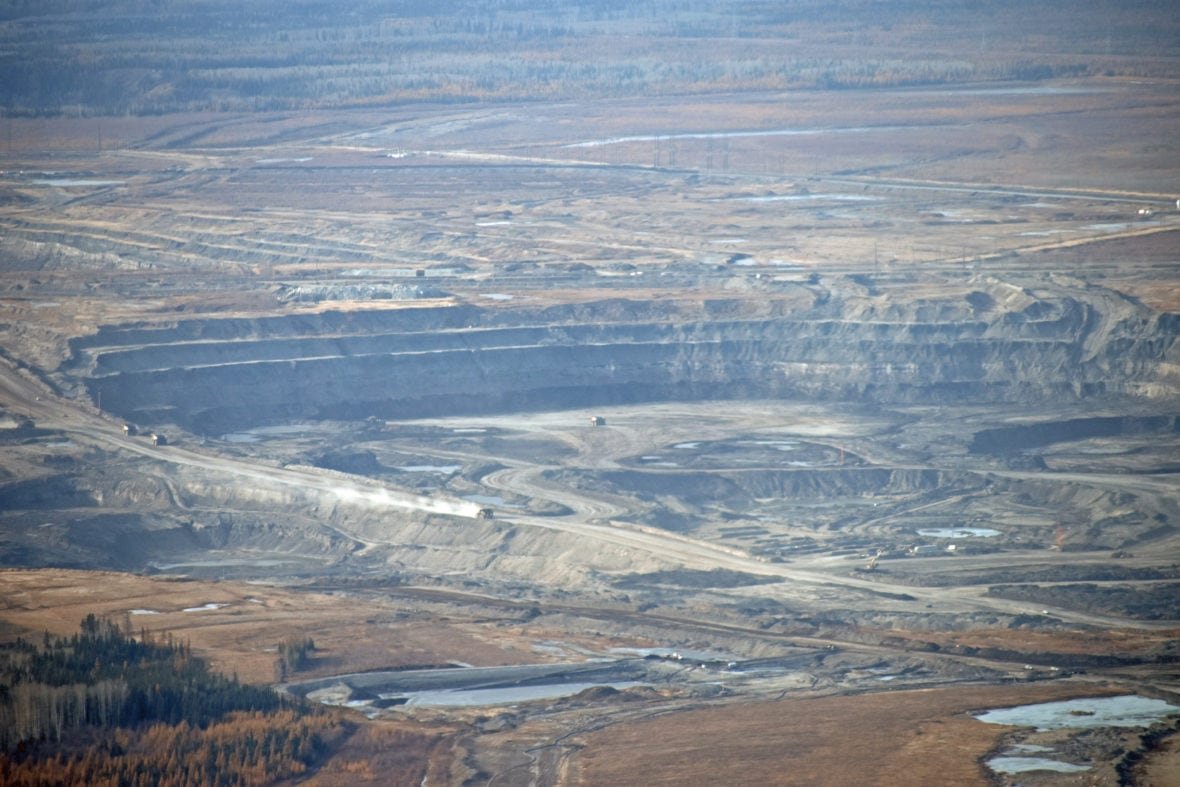
The research indicates that Fort McKay experiences higher monthly dustfall rates compared to other localities in the Wood Buffalo region. Over a 24-month sampling period, monthly dustfall in Fort McKay exceeded Alberta Ambient Air Quality Guidelines on 17 occasions and surpassed the acceptable threshold by nearly 20% of the time.
Dustfall Collection and Air Sampling
To assess dust exposure comprehensively, researchers scrutinized data gathered between late 2022 and mid-2025 by the Wood Buffalo Environmental Association and the Fort McKay Sustainability Department. Dustfall was collected using open buckets that captured falling particles, alongside ambient air quality tools like optical air monitors and 24-hour Teflon filter samplers to monitor particulate matter pollution across the region.
Sampling was conducted in five communities, including Fort McKay, Fort McMurray, Anzac, Janvier, and Conklin. The study deployed dustfall buckets across various sites in Fort McKay, such as backyard fences and the local industrial park.
Fort McKay exhibited the highest dustfall levels among all locations studied, exceeding the following site, Conklin, by twofold despite Conklin being over 150 kilometers south of Fort McMurray.
Iorio emphasizes the urgency of addressing the lack of monitoring for larger dust particles impacting communities, emphasizing the need for better oversight.
Regulatory Deficiencies
While Alberta regulates and monitors PM2.5 levels, fine particles smaller than 2.5 micrometers, there are no specific regulations for larger particles exceeding 10 micrometers (PM10), coarse particulate matter that can lodge in the nose or throat. This coarser dust, stemming from industrial activities like mining and construction, poses health risks and remains unregulated in the province.
Iorio highlights the sources of this coarser dust in the oilsands region, ranging from land clearing to tailings ponds, exacerbating pollution concerns as operations expand and environmental conditions evolve.
The study recommends significant changes in how Alberta manages and monitors industrial dust to fill regulatory gaps. Establishing formal air quality objectives for PM10 contamination and enhancing monitoring in Fort McKay are critical actions to address the current oversight.
Continuous monitoring and updated guidelines are crucial, echoing calls from researchers and community leaders to tackle the pressing dust pollution issue in Fort McKay and safeguard public health.