
Jozef Domanski, at the age of 14, was conscripted by the Nazis for forced labor in Germany in 1941. Upon liberation at the war’s end, he relocated to the UK, residing in Wolverhampton and later in Essex. Unfortunately, he lost touch with his family in Poland and communication dwindled after sustaining an injury in a work accident in 1976.
Despite efforts to locate him, his family was unsuccessful. In 2012, at 86 years old, Jozef passed away, unmarried and childless. Nearly 85 years after his capture, his £100,000 estate has been inherited by his family, following a lengthy multinational legal inquiry involving the UK, Germany, and Poland.
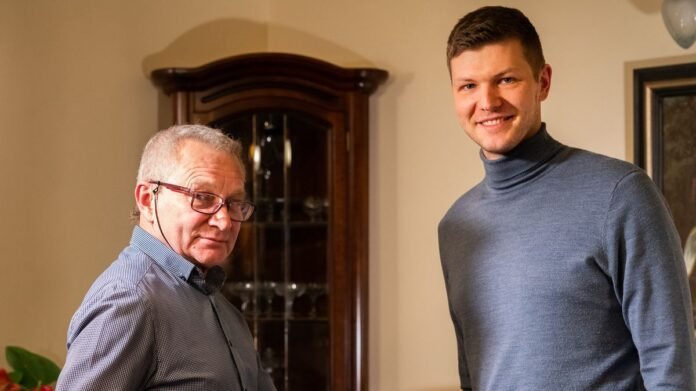
His nephew and family representative, Krzysztof Sadowski, shared that Jozef maintained regular correspondence with his sister Helena from the mid-1970s, expressing nostalgia for Poland and longing for his family. Despite attempts by family members to reconnect, contact ceased abruptly, leaving them with no closure.
The breakthrough occurred when a UK authority engaged Finders International to trace Jozef’s heirs. Over a decade, a collaborative effort among specialists from the UK, Germany, and Poland culminated in reuniting Jozef’s family.
The genealogical investigation, spearheaded by Benjamin Ratz of GEN SPZOO, with support from Torsten Wehrhahn, culminated in the allocation of the inheritance among surviving relatives. Krzysztof intends to honor his grandparents by dedicating a portion of the funds to them, acknowledging their enduring grief over the loss of their son.
Antoine Djikpa of the IAPPR remarked on the intergenerational impact of wartime trauma, emphasizing the significance of restoring Jozef’s legacy and family connections as a form of justice and accountability, even long after the events transpired.