
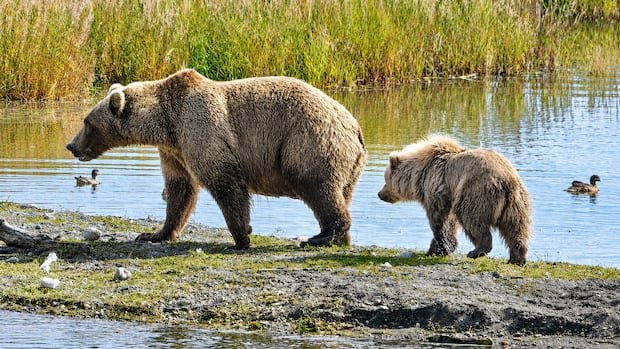

This year, Fat Bear Week features mother bears and their cubs for the first time, adding a new dimension to the bracket-style competition organized by Alaska’s Katmai National Park and Preserve. The event showcases the park’s robust brown bears, known for feasting on salmon from the Brooks River to bulk up before their winter hibernation.
Alaska naturalist Mike Fitz highlighted the unprecedented presence of bear families at the river this year, emphasizing the importance of showcasing five mother bears and their cubs to spotlight the crucial role mothers play in nurturing and ensuring the well-being of their offspring.

Fat Bear Week, originating in 2014, has gained immense popularity over the years and even inspired similar events like Fat Marmot Week in Colorado. Last year saw over 1.7 million votes, with expectations of surpassing that number this year, according to Fitz, who now serves as the resident naturalist for Explore.org, a partner in organizing the contest.
The competition involves 16 bears or bear families vying in a single-elimination, bracket-style tournament fueled by a plentiful salmon run, intensifying the rivalry among the contenders.
Chunk’s Reign
Chunk, also known as Bear 32, stands as a formidable competitor, having clinched victory in the previous year’s contest by reaching an impressive weight of over 1,200 pounds despite nursing a broken jaw. While Chunk remains a fan favorite with multiple wins, Fitz pointed out emerging contenders like Bear 151, nicknamed Walker, who consistently gains weight each year.
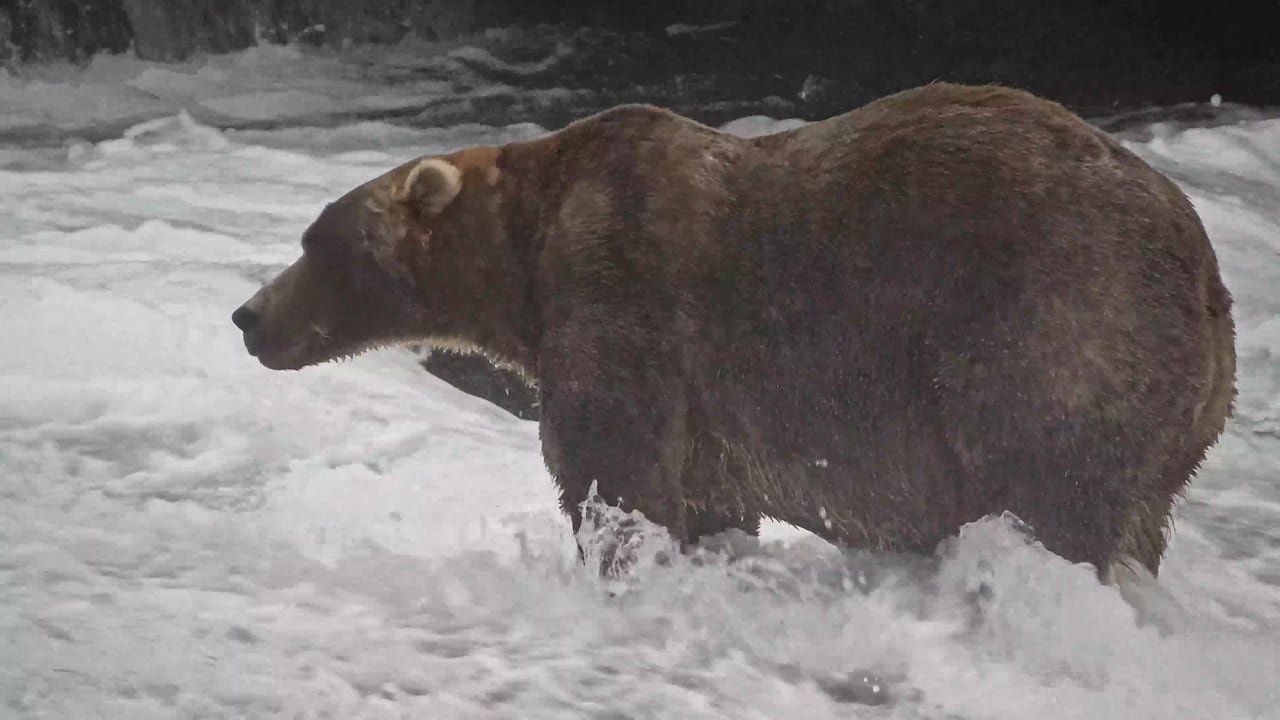
Another contender, Bear 89, known as Backpack, overcame a severe injury during adolescence to become a robust competitor, symbolizing the resilience and toughness of bears from a young age, as per Fitz.
Mother Bears Spotlight
Shifting focus to the female bears, Fitz emphasized the significance of their weight gain during summer and fall, crucial for their survival during the harsh winter months, especially for mothers nurturing their cubs. The health and fat reserves of a mother bear directly impact the survival of their offspring, with a well-fed mother ensuring successful reproduction and denning.
This year’s bracket features five mother bears and their cubs, including Bear 132 with three cubs, Bear 284, also known as Electra, and Bear 610, renowned