
The announcement of plans by the Ontario government earlier this year to construct a potentially massive nuclear power plant in a charming community of around 18,000 residents was met with enthusiastic speeches. The province’s energy minister, Stephen Lecce, praised the project as a significant move towards a secure energy future. The local mayor expressed optimism that it would bring about a stronger future for the community located approximately 100 kilometers east of Toronto, as well as for the province and country as a whole.
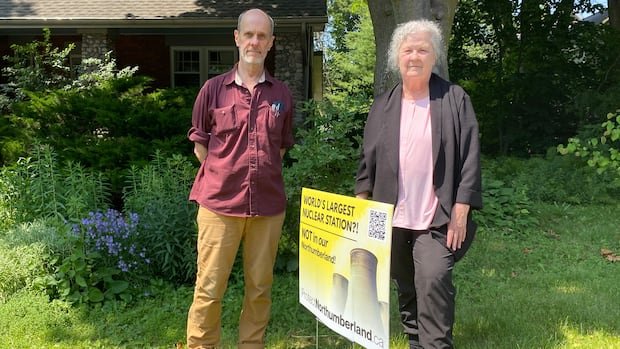
While some welcomed the news, it came as a shock to a segment of Port Hope’s population who had experienced the community’s complicated history with the nuclear industry firsthand. Faye More, a 75-year-old resident actively opposing the project, criticized the announcement and the officials presenting it, expressing outrage at the lack of consideration for the community’s concerns.
The long-standing issue of nuclear operations in Port Hope has left residents feeling neglected, with the current project exacerbating those sentiments according to More.
Port Hope’s Nuclear Legacy
Port Hope’s connection to radioactive materials dates back almost a century when a radium refinery plant was established in the 1930s, later transitioning to uranium refining during World War II. This led to the contamination of the town with radioactive waste materials used in various construction projects.
Efforts to clean up the historic radioactive waste are ongoing through the Port Hope Area Initiative managed by the Canadian Nuclear Laboratories. The project aims to address the environmental impact of the contamination.
The proposed new nuclear power plant in Port Hope has sparked concerns among residents. Ontario Power Generation (OPG), the government-owned company overseeing the project, assures that modern nuclear industry standards prioritize safety and environmental protection. The plant is expected to create thousands of jobs and significantly contribute to the province’s economy once operational.
The plant, if approved, could become the world’s largest nuclear power station, generating substantial power capacity for the region. OPG aims to secure the necessary licenses in the 2030s and commence operations in the 2040s.
Expert Opinion on Project Standards
Local officials have emphasized that the existing cleanup efforts and the proposed nuclear plant are distinct initiatives subject to different regulatory controls. Experts highlight that current standards for managing radioactive waste are stringent and constantly evolving to ensure public safety.
Despite assurances from authorities, critics remain unconvinced of the benefits of a new nuclear plant in Port Hope. Residents like Faye More argue that the community has endured enough hardships due to past nuclear activities and is not willing to bear additional risks associated with a new plant.
Community Concerns and Opposition
Residents, including More and others, are actively opposing the new plant and advocating for their voices to be heard in the decision-making process. Concerns over potential health and environmental impacts have led to petitions and calls for transparent assessment of the project’s consequences.
As the debate continues, the municipality is conducting comprehensive evaluations to assess the proposed plant’s impact on various aspects of the community, including environmental sustainability and public health.
Ongoing Cleanup Efforts
Port Hope remains one of the most contaminated areas in Canada due to historical radioactive waste disposal. The extensive remediation project initiated by the Port Hope Area Initiative involves testing and cleanup of numerous contaminated sites across the municipality.
Despite the challenges posed by the cleanup process, residents like David Erland and Autumn Woolsey are concerned about the potential risks associated with the new nuclear plant and its proximity to residential areas. They, along with other residents, are determined to oppose the project and protect their community from perceived threats.
Local Voices and Future Actions
Residents like Sarah Sculthorpe are actively engaging with neighbors, policymakers, and experts to raise awareness and prevent the establishment of the new nuclear plant. The community’s collective efforts aim to ensure that their concerns are heard and addressed before any irreversible decisions are made.
With ongoing debates and consultations, the future of the proposed nuclear plant in Port Hope remains uncertain as residents continue to voice their opposition and advocate for a safer and sustainable future for their community.