
On October 1, Canadian astronaut Joshua Kutyrk is scheduled to launch from Cape Canaveral, Florida, carrying innovative Canadian technology with him. Space living poses challenges as the human body is not adapted to low gravity, leading to various health issues for astronauts. Concerns over the formation of blood clots in space have prompted NASA to seek ways to assess and mitigate risks effectively.
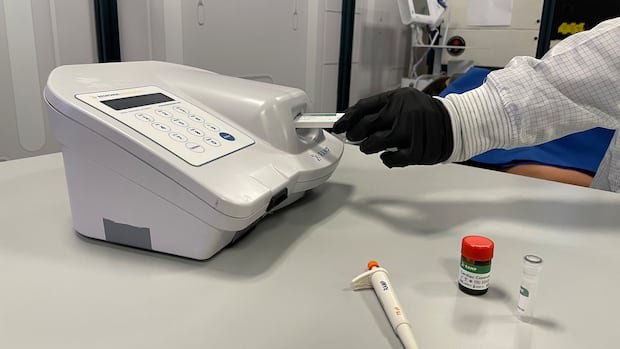
To address these concerns, NASA has partnered with Vancouver-based Response Biomedical to utilize their technology on the International Space Station. The technology, known as Acute Care Testing in Space (ACTIS), is derived from Response Biomedical’s RAMP technology and can detect D-dimer levels in the blood, a crucial indicator for medical professionals. This device can swiftly identify blood clots, heart attacks, and even conduct tests for diseases like COVID-19 and RSV.
Response Biomedical’s CEO, Taso Tsonis, highlighted the importance of rapid and reliable testing, emphasizing its applicability not only in space but also on Earth, especially in remote areas where quick medical assessments are vital. The efficiency of the ACTIS device, providing results within minutes, is a significant advancement in healthcare technology.
The potential for ACTIS to support future space exploration missions beyond the ISS, such as to the moon or Mars, is an exciting prospect. The selection of this Canadian technology for the ISS mission reflects positively on Canada’s innovation and technological capabilities. Both Tsonis and Mathieu Caron, director of CSA’s astronaut office, see this as a significant achievement for the country, showcasing the adaptability and value of Canadian technology in the realm of space exploration.