
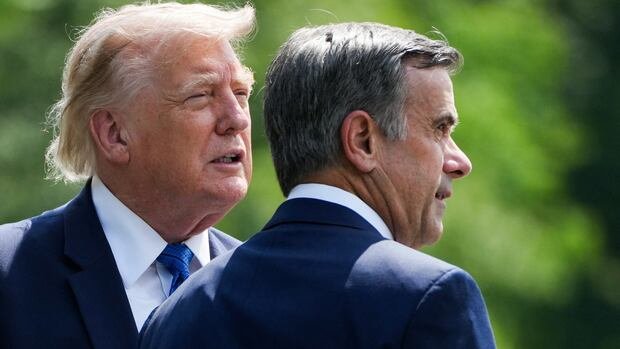
This week, politicians from Canada and the United States have engaged in a heated exchange of insults, labeling each other as weak, nasty, foolish, ridiculous, and a loser, with one even issuing a blunt invitation to “kiss my ass.” The verbal sparring has heightened tensions between the two countries, already embroiled in a trade dispute resulting in significant tariffs on cross-border goods. However, while the political leaders have resorted to personal attacks, trade negotiators from both sides have refrained from such behavior in public.
According to political scientists and a public relations expert, the differing tones in the rhetoric of politicians and trade negotiators stem from the assigned roles in the dispute. They suggest that the public displays of animosity are part of a strategic play orchestrated by leaders to achieve specific objectives. The negotiators, on the other hand, maintain a professional demeanor to navigate the complexities of the trade talks effectively.
Trade discussions between the U.S. and Canada hit a roadblock on August 21, with blame being shifted between the parties for the breakdown in negotiations. The lack of transparency surrounding the failed agreement has left the public reliant on politicians’ statements to gauge progress. Meanwhile, U.S. President Donald Trump’s provocative actions, like renaming Lake Ontario to Lake America, have further fueled tensions.
Despite the escalating rhetoric, Canadian and American cabinet members have refrained from personal attacks, focusing instead on criticizing each other’s economic policies. Both countries’ trade representatives have emphasized the importance of professionalism in their interactions, highlighting the narrow focus on trade relations and economic aspects.
Experts point out that avoiding personal insults in public discourse is vital for maintaining productive negotiations and achieving mutually beneficial trade agreements. The focus remains on securing the best deal for each country, underscoring the significance of constructive dialogue over inflammatory remarks.
Historically, Canadian and American trade representatives have managed to maintain cordial relationships during negotiations, even in the face of tense moments. Past instances of strained negotiations have eventually led to improved relations and successful trade agreements, showcasing the importance of professionalism and diplomacy in trade discussions.
As the trade war between Canada and the U.S. continues, leaders on both sides aim to rally public support and project strength while navigating the complexities of the economic conflict. The evolving dynamics of international trade relations highlight the importance of diplomacy and strategic communication in resolving trade disputes.