
A recent study projects a future of increased warmth and precipitation in northeastern B.C., along with more severe weather events for communities previously impacted by major natural disasters. Temperatures in the area are expected to climb up to three degrees by the 2050s and five degrees by the 2080s, resembling summer conditions in the Okanagan and warmer January temperatures akin to past March levels.
The Fraser Basin Council’s researchers anticipate these changes will affect various aspects of life, from infrastructure like roads and water supplies to community strategies for handling floods, wildfires, and evacuations. Jim Vanderwal, a researcher involved in the study, emphasized the importance of local communities preparing for these future conditions.
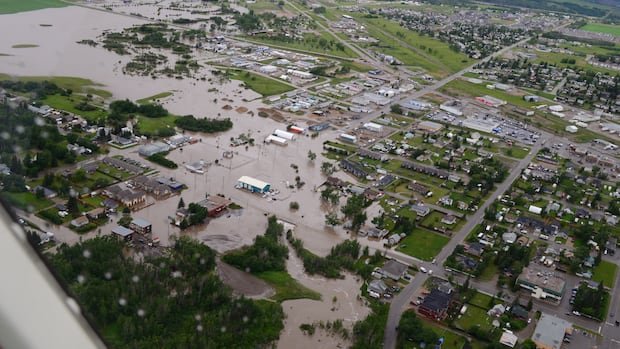
The study, funded by the federal government and conducted on behalf of local governments and Indigenous communities in the region, highlights the region’s vulnerability to extreme events. Recent disasters, such as the devastating floods in 2016 that cut off the region’s main road link to the Lower Mainland and the escalating wildfires since 2022, including the largest recorded in B.C. history, have already displaced thousands of residents.
Vanderwal stressed the prolonged recovery periods following such disruptions and the significant impact on people’s way of life. The City of Fort St. John has emerged as a haven for wildfire evacuees, necessitating constant attention and support from both city staff and volunteers.
The city’s chief administrative officer, Milo MacDonald, noted the visible effects of warmer weather on city operations, particularly the increased stress on infrastructure due to more frequent freeze-thaw cycles. The report foresees a doubling of freeze-thaw days in the winter by 2080, posing challenges for maintaining sidewalks, roads, and buildings.
In terms of water resources, the study predicts longer growing seasons and more intense heatwaves in summer, accompanied by shorter winters with increased rainfall and reduced snowfall during spring and fall. These changes are expected to result in lower streamflows and heightened drought conditions, as seen in recent water shortages in Dawson Creek, prompting plans for a new water supply.
Looking ahead, Vanderwal emphasized the need for proactive planning and resilient infrastructure to address the escalating challenges posed by climate change in the region.