
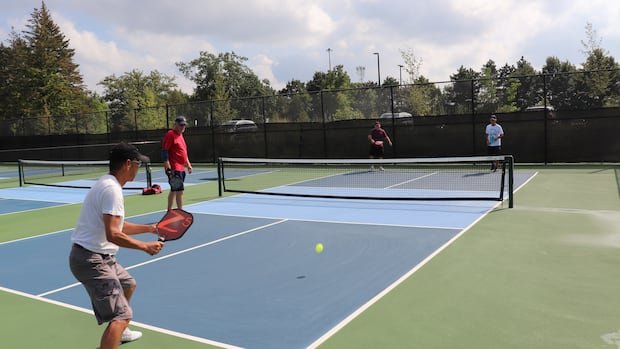

Across the country, clashes between tennis and pickleball enthusiasts over court usage are common.
In Scarborough, Ontario, for instance, a petition was launched by a local tennis player urging the city to reverse the conversion of two public tennis courts into six pickleball courts last year.
Moreover, a legal battle between pickleball and tennis players on Mayne Island, British Columbia, reached the provincial Supreme Court.
Matti Siemiatycki, a University of Toronto geography and planning professor and Infrastructure Institute director, notes that the disputes reflect a broader issue of inadequate public recreational facilities for all sports.
Siemiatycki emphasizes the need to address the shortage of recreational spaces by requiring housing developers to construct more facilities beyond current regulations.
Peter Donnelly, a retired University of Toronto sports policy studies professor, suggests a return to post-World War II public housing policies that integrated parks, recreational spaces, and community centers to tackle the issue.
He highlights the importance of finding solutions to the supply problem instead of leaving sports communities and for-profit entities to compete for access to publicly owned facilities.
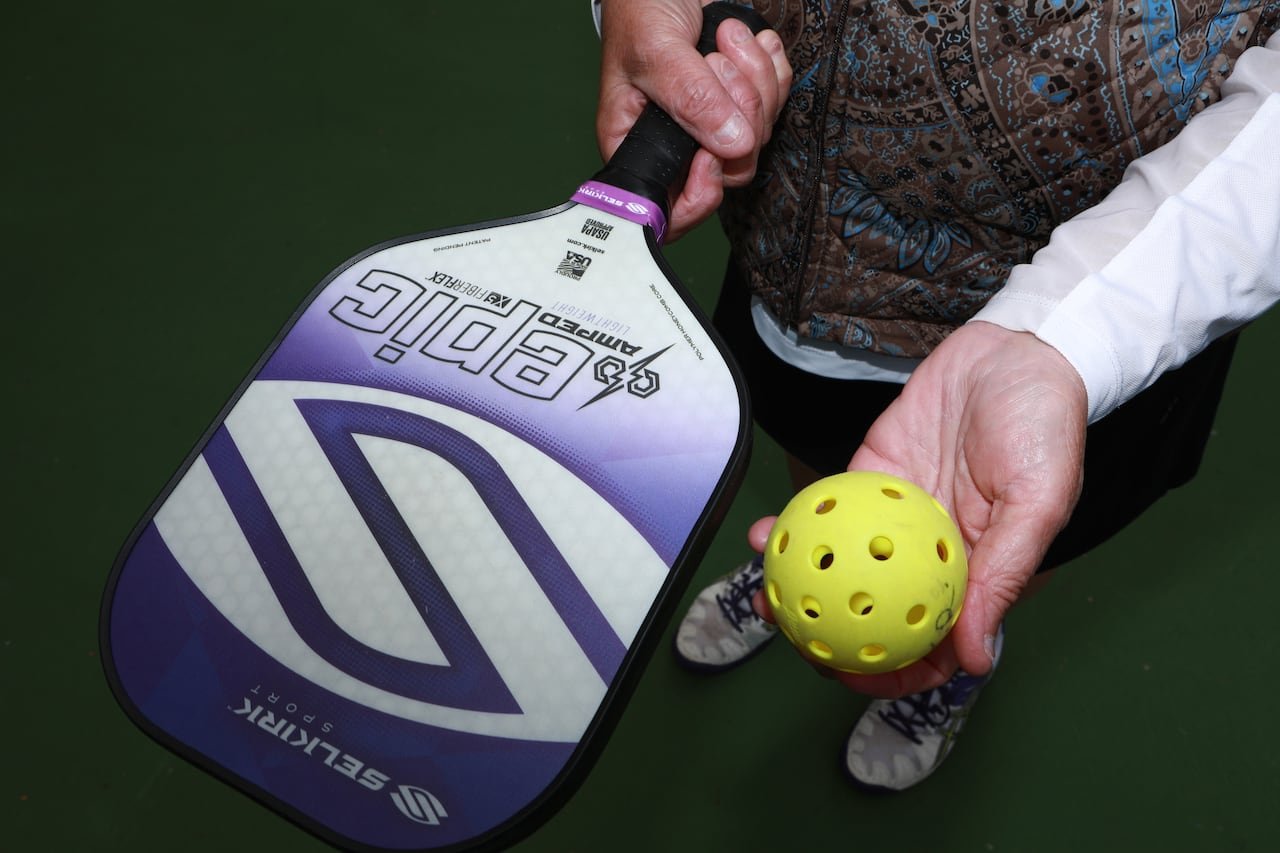
Public-private partnerships could be a viable approach to enhance access to recreational activities, with the potential for city recreation departments to collaborate with private pickleball businesses to offer free memberships or involve local youth.
Revisiting Development Regulations
Historically, housing developers seeking project approvals exceeding zoning restrictions engaged in negotiations with municipalities, often involving community consultations, according to Siemiatycki.
However, recent changes have limited the charges municipalities can levy on developers, reducing funds available for public amenities like parks and recreational spaces.
Siemiatycki cites Ontario’s regulations effective from September 2022, capping community benefits charges at four percent of the land’s appraised value during building permit issuance.

<figcaption class="