
In a digital era where online shopping has become a daily habit for many, a new trend is emerging that offers the thrill of shopping without the financial commitment. Simulated shopping sites are gaining popularity among budget-conscious consumers, providing the experience of browsing, selecting items, and proceeding to checkout without the actual purchase or delivery.
Originating in South Korea, these mock shopping platforms have now expanded globally, catering to a wide audience seeking the gratification of virtual shopping. Platforms like DopamineCart, FakeEats, DopaHaul, and FakeHaul offer users the opportunity to simulate the entire shopping process, from selecting items to tracking their “delivery” on a virtual map.
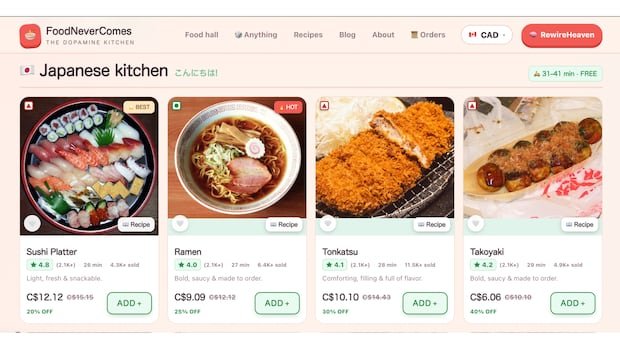
One such platform, FoodNeverComes, launched in June, has attracted a significant user base, with around 92,000 active users in the past three months. Co-creators Anshul Sharma and Purvansh Parmar from Udaipur, India, designed the platform to address compulsive spending habits related to food delivery services.
Sharma, who struggled with excessive food orders himself, highlighted the ease and convenience of online purchases, leading to impulsive spending. To counter this behavior, the creators not only offer a simulated shopping experience but also provide recipes to encourage users to cook at home instead of ordering in.
Experts suggest that these simulated shopping experiences can trigger similar brain responses to actual shopping, offering psychological benefits to users, particularly budget-conscious individuals. However, the effectiveness of these platforms may vary based on the user’s intentions, with some using them to replace unaffordable purchases while others may resort to them as an escape from negative emotions.
Moreover, the environmental impact of consumerism is also being highlighted through these platforms. Sites like Imaginair store incorporate environmental messages within the shopping experience, aiming to raise awareness about the consequences of overconsumption and encouraging users to consider sustainable shopping practices.
Ultimately, the rise of simulated shopping sites reflects a broader shift towards mindful consumption, where individuals are reevaluating their shopping habits and seeking alternatives to reduce unnecessary purchases. While consumerism remains deeply ingrained in society, these platforms offer a glimpse of resistance as users strive to make more intentional choices and consume less.