
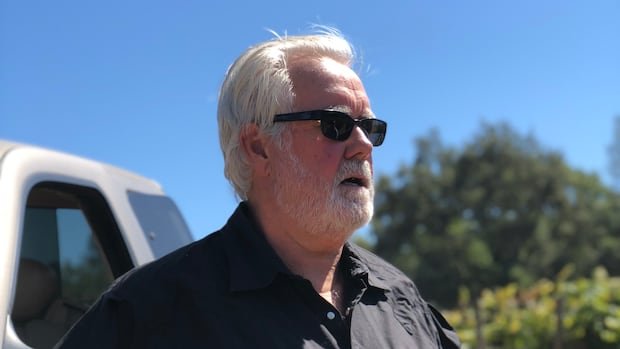
Bill Easton, a winery owner in northern California’s Sierra Foothills, used to have regular wine shipments to Montreal every six weeks. However, Quebec’s decision to remove American alcohol from its shelves last spring disrupted this routine. Now, Easton pays $1,200 every four weeks to store his wine in a temperature-controlled facility in Quebec.
Easton mentioned that they have wine specifically labeled for the Quebec market sitting in a warehouse, waiting to be sold. The ban on U.S. alcohol by Canadian provinces has become a focal point in trade negotiations, causing distress among winemakers and industry associations who feel their businesses are being used as leverage in international disputes.
In an interview, Easton expressed confusion over the ongoing tariff dispute with Canada, stating, “We’re just farmers and winemakers selling wine to people who like what we do.”
Premiers Debate Reintroducing U.S. Alcohol
Most Canadian provinces halted the distribution of U.S. alcohol products in response to tariffs imposed by U.S. President Donald Trump. Prime Minister Mark Carney has urged provinces to reconsider to avoid new tariffs on $29 billion in Canadian goods. Some premiers indicated willingness to lift the ban, contingent on the details of the deal, while others expressed caution about relinquishing leverage in the trade dispute.
-
‘A bad taste left in my mouth’: Will Canadians buy U.S. booze again?
-
If U.S. booze returns to shelves, ‘leave it there,’ Manitoba premier says
Manitoba Premier Wab Kinew emphasized the need for caution, stating, “The American president is weak. He’s threatening us, and we could potentially gain more by continuing to push back.”
Concerns have been raised by Washington over the absence of American alcohol products on Canadian shelves, including California wines and Kentucky bourbons. Trump linked this issue to his threat of imposing tariffs on Canadian goods.
Most Canadian provinces manage alcohol distribution through government-run liquor boards, which the U.S. argues create barriers such as listing restrictions, pricing rules, and distribution requirements.
Building Trust Essential: Winemakers’ Group
The Oregon Wine Growers Association, representing a significant portion of Oregon’s wine production, emphasized the importance of a long-term deal to rebuild trust with Canadian buyers. Executive director Jana Mckamey stated, “We want a stable trading environment to maintain our international relationships, which are crucial for our industry.”
A recent poll indicated that a majority of Canadians intend to continue boycotting American alcohol even if it becomes available again.
Phillips Distilling relocated its production of Sour Puss liqueur from Minnesota to Montreal last year, signifying a commitment to the Canadian market