
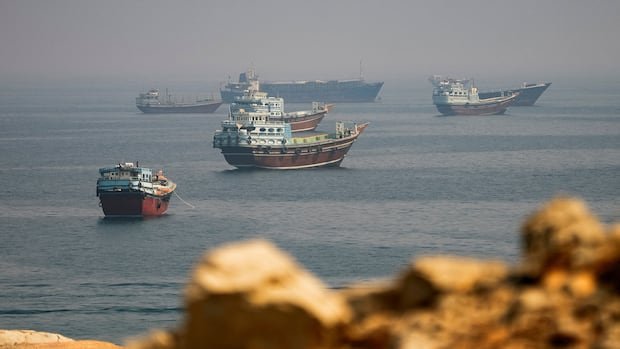
The United States conducted fresh airstrikes on Iranian targets, sparking concerns of escalating tensions that could impact global energy prices and President Donald Trump’s domestic approval ratings. The strikes came after two tankers were attacked in the Strait of Hormuz, causing a surge in oil prices.
Iran retaliated by targeting U.S. assets in Jordan, Bahrain, and Iraq, vowing to disrupt oil exports from the Gulf. Despite warnings and threats from Trump and U.S. officials, Iran remained defiant. Casualties were reported, including deaths and injuries at a wedding near Sirik.
The U.S. Embassy in Qatar advised caution to Americans in the Middle East due to potential travel disruptions. The situation worsened with continued military actions between the U.S. and Iran, leading to concerns about a possible ceasefire. Iran indicated readiness to reciprocate if the U.S. honored previous agreements to halt the conflict.
Efforts to mediate the crisis and reopen the Strait of Hormuz have so far been unsuccessful, with both countries asserting control over the strategic waterway. The U.S. announced plans for new sanctions against Iran, including targeting financial institutions and companies doing business with the Iranian military.
As tensions persist, the situation remains volatile, with no immediate resolution in sight.