
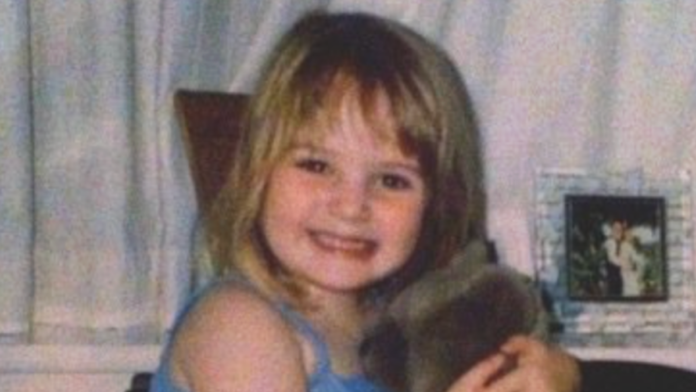
Halfway through preparing to leave for school, I informed my mother that I wasn’t feeling well enough to attend. Unlike typical 13-year-olds skipping school, my absence was due to severe headaches that had plagued me for several days. Despite visiting my general practitioner and an urgent care facility, both dismissed my symptoms as a mere migraine.
As a teenager who detested attention, I didn’t think much of it initially. Surprisingly, the pain had lessened after my medical appointments. However, everything changed dramatically on that particular school morning when excruciating pain engulfed my head. I experienced vision loss, nausea, and moments of unconsciousness.
In a frantic rush, my father swiftly drove us to the nearest hospital in Peterborough, a harrowing 30-minute drive, with me in my heavily pregnant mother’s arms. Details from that point are hazy for me, but recollections from my family are heart-wrenching.
Desperate to get me immediate medical attention, my dad pushed through the hospital’s bureaucracy as I faded in and out of consciousness in a wheelchair. Fortunately, a renowned neurologist, who was not typically on-site, overheard my father’s urgent pleas. I was promptly examined and hurried into an MRI scan, with concerns raised about a potential brain hemorrhage.
I vividly remember the blinding lights filtering through my closed eyes as I was transported on a stretcher down the corridor. Questions about the current year, prime minister, and my surname were posed to me, but I couldn’t respond. The distinct sound of the MRI machine scanning my brain lingered in my memory.
Thankfully, the MRI ruled out a brain hemorrhage but revealed an exceptionally severe case of meningitis, according to the neurologist. I underwent intensive treatment with antibiotics and steroids to combat the aggressive infection and reduce brain swelling. My body responded positively, albeit the situation remained critical.
Subsequently, I was transferred under emergency conditions to Addenbrooks hospital, a renowned neurosciences facility, where after two lumbar punctures, my diagnosis was confirmed. Test results indicated a dual infection of viral and bacterial meningitis. Following a month-long hospital stay, I returned home with continued treatment through a cannula.
Approximately eight weeks post-recovery, I resumed schooling and physically recuperated fully, yet the emotional scars for my family and me persisted. The timely intervention of the passing neurologist, who diagnosed me, likely saved my life during the critical episode.
While most parents are familiar with the classic symptoms of meningitis like rashes and neck stiffness, I did not exhibit these signs. Headaches, a less common indicator, were my sole symptom, making it challenging for doctors to diagnose promptly, especially in younger patients.
My near-death encounter occurred before the introduction of the meningitis B vaccine into the NHS childhood immunization program in the UK. Since its inclusion, many lives have been saved, although tragedies like the recent outbreak at the University of Kent serve as stark reminders of the disease’s severity and rapid onset.
I consider myself fortunate to have recovered relatively unscathed. The NHS estimates that one in ten cases of bacterial meningitis proves fatal. It is crucial to remind your loved ones to ensure they are vaccinated promptly, as it could potentially save a life.