
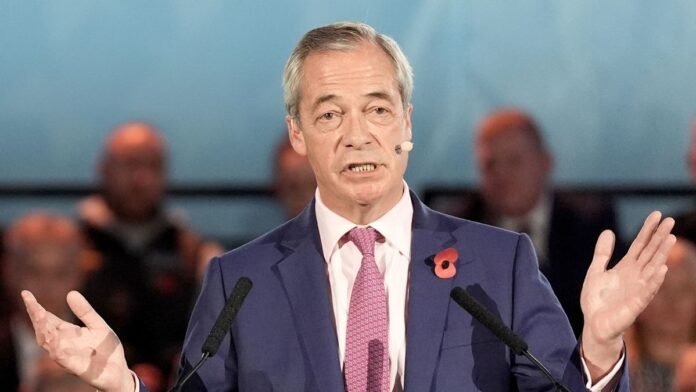
Nigel Farage is facing criticism for his proposal to halt Universal Credit payments to European Union citizens in the UK, potentially igniting a trade dispute with the EU. The Reform UK leader aims to save £6 billion through this measure, which contradicts the Brexit agreement allowing EU settled status individuals to access specific benefits.
Without engaging in discussions with EU officials due to his unpopularity in Brussels, Farage has not assessed the potential impact of a trade war resulting from his plan. The Labour Party’s Anna Turley condemned Farage’s stance, warning that his actions could lead to higher prices for consumers and undo efforts to lower costs through international trade agreements.
Farage emphasized that Reform-led councils should limit council tax hikes to inflation rates, although some councils under Reform leadership are considering exceeding the 5% limit without a referendum. Responding to Home Secretary Shabana Mahmood’s dismissive remarks, Farage criticized her for disregarding Reform’s input and speculated that her statements were influenced by the party’s growing popularity.
Regarding asylum policy changes, Farage acknowledged common ground with the government’s proposals, attributing some shifts to potential competition from Reform in the political landscape. However, Farage avoided directly addressing questions about renegotiating the Brexit agreement or the economic implications of a trade conflict with the EU, citing a strained relationship with Europe.
Reform UK’s proposal to discontinue Universal Credit for foreign nationals, including EU citizens, could result in significant savings for the Treasury. Farage’s party plans to provide a three-month notice period to EU settled status individuals before terminating their benefits, a move that is likely to escalate tensions with the EU and raise prices in British stores.
As Farage prepares for a press conference ahead of the upcoming Budget announcement, he warns of market volatility and criticizes past government decisions. Additionally, Reform UK’s deputy leader faces backlash for controversial statements about children with special needs, sparking outrage among experts who refute the claims.
The potential consequences of Farage’s policies, particularly in relation to EU citizens’ benefits and trade relations, continue to draw scrutiny and raise concerns about the impact on the UK’s economic and diplomatic ties with Europe.