
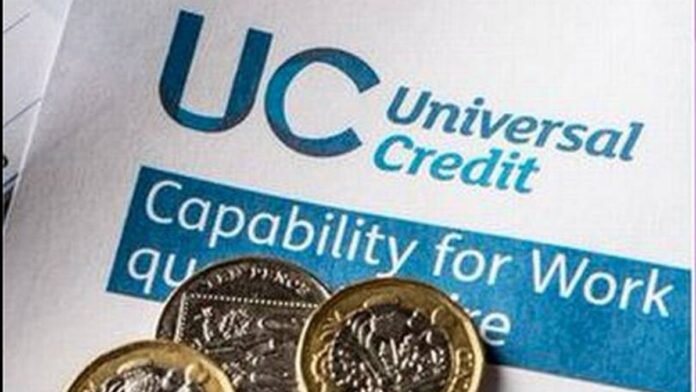
Millions of individuals receiving Universal Credit will experience a delay in receiving their increased payments, despite the announced rate increments starting in April.
The standard allowance for Universal Credit, which is the base amount before any adjustments or supplementary components are factored in, will see an above-inflation increase effective April 13. For single claimants aged over 25, this translates to a rise in the monthly standard allowance from £400.14 to £424.90. However, due to the payment structure of Universal Credit being in arrears, beneficiaries will only see the adjustment reflected in their payments from June onwards.
The enhanced rates will specifically apply to Universal Credit assessment periods commencing on or after April 13. Since Universal Credit payments are disbursed a week after the closure of each assessment period, the new rates will not come into effect until the June payment cycle.
Your eligibility for Universal Credit is determined by various personal factors such as age, living arrangements, relationship status, income, savings, and sometimes health conditions. Moreover, if you are employed, there is a taper rate of 55%, resulting in a reduction of 55p from your maximum Universal Credit entitlement for every £1 earned.
Additionally, some individuals may qualify for a “work allowance,” allowing them to earn a set amount before their Universal Credit is reduced. The work allowance stands at £411 per month for those receiving housing support and £684 per month for those without housing assistance.
For a comprehensive breakdown of additional elements and deductions affecting Universal Credit payments, visit the official GOV.UK website.
Stay informed with Daily Mirror as your ‘Preferred Source’ on Google News for timely access to the news that matters to you.