
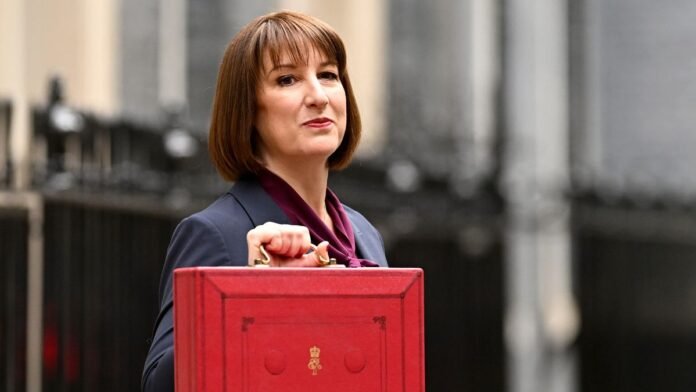
Chancellor Rachel Reeves is set to present a crucial Budget next week, addressing the challenge of filling a substantial deficit in public finances while adhering to stringent spending regulations. Recent indications suggest that tax increases may be on the horizon, as Reeves emphasized the collective responsibility to contribute.
Previously unthinkable measures, such as potential income tax hikes, were being considered by Labour, despite their manifesto pledge against such actions. However, updated forecasts from the Office for Budget Responsibility have revised the expected deficit to around £20 billion, a less dire figure than previously feared.
The upcoming Budget, scheduled for November 26, will likely touch on various key aspects. Labour’s commitment to avoid VAT, national insurance, and income tax hikes for the workforce may face reconsideration. Reeves is contemplating extending the freeze on income tax thresholds and potentially adjusting the minimum wage, aiming for a 4% increase to approximately £12.70 from April 2026.
Addressing the cost of living for struggling individuals is a top priority for Keir Starmer, with a focus on reducing energy bills. Suggestions include eliminating VAT on energy bills, potentially saving consumers an average of £80 annually. Additionally, proposals to abolish the two-child benefit limit and increase gambling taxes to fund social welfare initiatives are under consideration.
Further adjustments may include a rise in the state pension, potential caps on pension contributions through salary sacrifice schemes, and the introduction of new property taxes. Changes in tobacco and alcohol duties, and the possibility of implementing tourist taxes to support public services, may also feature in the Budget.
While challenges remain, the Budget is anticipated to address key economic and social issues, reflecting the government’s efforts to navigate financial constraints and support vulnerable populations.