
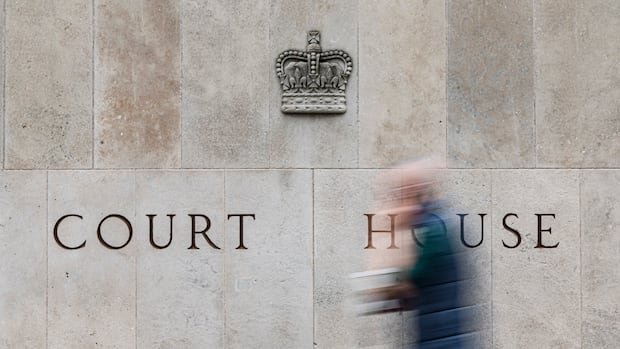
Ontario’s recent adjustment to the cash bail system has been paused as a judge evaluates a challenge to its constitutionality. The Canadian Civil Liberties Association and the Criminal Lawyers’ Association were granted an injunction following arguments presented by both sides last week.
The updated regulations, which came into effect earlier this month, mandate individuals accused of a crime and granted bail to provide a cash security deposit within two business days of their release. Previously, they were only required to pay if release conditions were violated and a court order demanded payment.
The two legal groups contend that the rule change breaches federal jurisdiction and conflicts with the Criminal Code, which explicitly favors a promise to pay over a cash deposit. They argue that the shift will make obtaining bail more difficult, especially for marginalized individuals who may lack the funds for a deposit or struggle to find a surety with the necessary resources.
On the other hand, the province asserts that it is an administrative modification that does not impact release conditions. According to the province, the challenge is based on speculative assumptions about the potential effects of the new cash bail system.
In a ruling on Monday, Ontario Superior Court Justice William Chalmers expressed concern about potential harm if an injunction is not granted pending the case decision. He highlighted that the legislation’s consequences could lead to denied or delayed releases for individuals who would have otherwise been set free due to challenges in securing a suitable surety.
The legal organizations welcomed the judge’s decision, while a spokesperson for Attorney General Doug Downey emphasized the government’s commitment to bail system reform efforts aimed at enhancing victim and community protection.
The injunction will preserve the existing system for a temporary period until the judge’s ruling on the legislation’s constitutionality is issued.