
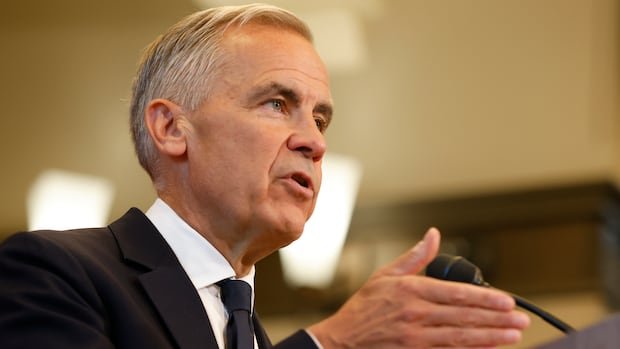
Prime Minister Mark Carney stated that the breakdown of negotiations with the Trump administration was due to unreasonable demands that would harm major Canadian industries such as automotive, steel, and aluminum. Carney revealed this during a speech in Lévis, Que., while under pressure from the Conservatives to disclose the specifics of the failed deal talks.
Although progress had been made recently, Carney explained that the momentum shifted, leading to an impasse as the U.S. presented terms that Canada could not accept and vice versa. U.S. Vice-President JD Vance countered this, accusing Canada of introducing last-minute demands and exploiting America.
Ontario Premier Doug Ford, briefed on the negotiations, labeled the deal as unfavorable and expressed relief that Carney did not agree to it. Flavio Volpe, a member of Canada’s advisory committee on the matter, highlighted discrepancies between the agreed-upon deal in principle and the final written terms.
Key points emerged during the closed-door discussions before the deal deadline. The U.S. altered terms to exclude medium- and heavy-duty trucks from tariff relief, particularly affecting pickup truck manufacturing in Ontario. Additionally, the U.S. aimed to limit Canada’s trade autonomy and impose sectoral tariffs on steel, aluminum, and lumber.
Carney emphasized that the American demands on bilingual product labeling and trade restrictions with other nations compromised Canadian sovereignty. Despite potential concessions, including lowering tariffs and adjusting dairy licenses, Carney stood firm against terms not beneficial to Canada’s interests.
The breakdown in negotiations received varied responses, with support for Carney’s decision among Canadians. LeBlanc emphasized the need for a viable offer from the U.S. before resuming talks, particularly concerning steel, aluminum, autos, and forest products.