
Soccer enthusiasts expressed their frustration by booing the U.S. national anthem during the weekend following the breakdown of trade negotiations between Canada and the United States. The Canadian Press documented the disapproval at Vancouver’s B.C. Place before a Major League Soccer match between the Whitecaps and FC Dallas on Saturday, along with similar reactions at Stade Saputo, where CF Montréal faced the L.A. Galaxy earlier the same day.
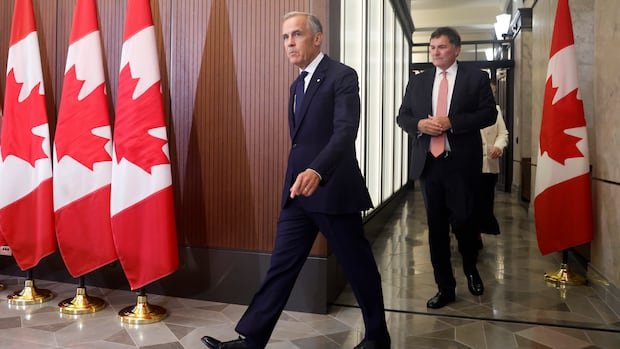
Prime Minister Mark Carney took action by suspending talks with the U.S. and recalling negotiators, citing unreasonable demands from the U.S. after previously agreeing to a tentative framework. In response, the U.S. enforced 50 per cent tariffs on a range of Canadian goods, prompting Canada to announce matching tariffs by September 8, supported by premiers nationwide.
A significant portion of Canadian exports, valued at around $28 billion, will be affected by the tariffs, particularly impacting industries in Ontario, British Columbia, and Quebec such as agriculture, textiles, electronics, furniture, and plastics manufacturing. Economist Trevor Tombe estimates that approximately 87,000 jobs could be lost across Canada due to these new duties.
Public sentiment mirrored the dissatisfaction observed at the stadiums. Niiamaa Laryea in Vancouver emphasized the necessity for Canada to stand up to the U.S., while Lesley Combden in Ottawa highlighted the potential economic challenges ahead and advocated for diversifying trade away from the U.S.
The decision to retaliate with tariffs received mixed reactions from Canadians, with some questioning the effectiveness of such measures. Despite the lack of specific details about the negotiations, many Canadians expressed support for the government’s tough stance against the U.S. in polls conducted by Angus Reid Institute. Matt Ambida from Markham commended the government’s negotiation approach and emphasized the need for Canada to hold its ground in international trade.
While the specifics of the negotiations remain undisclosed, Carney mentioned the U.S.’s unacceptable demands on cultural and automotive issues, leading to the breakdown of talks. Trump’s comments on the situation emphasized alleged imbalances in trade practices between the two countries.
A prevailing sentiment among Canadians is a feeling of betrayal by the U.S., with many willing to endure short-term economic challenges for a more favorable trade deal in the future. Polls indicate widespread support for the Canadian government’s decision to cease negotiations with the U.S. and implement retaliatory measures in response to the tariffs.