
Five former chairs of a committee advising the government on endangered species issues have penned an open letter expressing worries about proposed amendments to the Species At Risk Act in Canada. They fear that the suggested changes could result in the deliberate eradication of endangered species in the country. The current law protects over 600 species, but alterations being contemplated by the government could undermine its effectiveness, as stated in a recent press release by the concerned scientists.
The individuals, who previously chaired the Committee on the Status of Endangered Wildlife in Canada (COSEWIC), dispatched the letter to the federal government last month. COSEWIC is a nonpartisan panel responsible for evaluating species at risk of extinction and recommending their inclusion under endangered species legislation. The scientists chose to make their concerns public to prevent Canadians from inadvertently contributing to the extinction of Canadian wildlife species.
The letter coincides with the government’s review of environmental regulations, including the Species At Risk Act, aiming to expedite the approval and construction of major projects. Proposed modifications include potentially approving significant projects before assessment and exempting certain projects from the critical “jeopardy test” mandated by the law if deemed in the national interest.
David Green, a biologist and former COSEWIC chair, criticized the proposed changes, labeling them as an excessive measure that could undermine the law’s protective mechanisms. The jeopardy test prevents projects that could harm listed species and their habitats from proceeding if they threaten their survival, serving as a crucial safeguard for endangered species.
The proposed amendments also grant the government authority to establish “federal economic zones” for pre-approving industrial development and fast-tracking projects deemed in the national interest. Bill C-5 currently enables accelerated approval processes, including environmental assessments, for such projects.
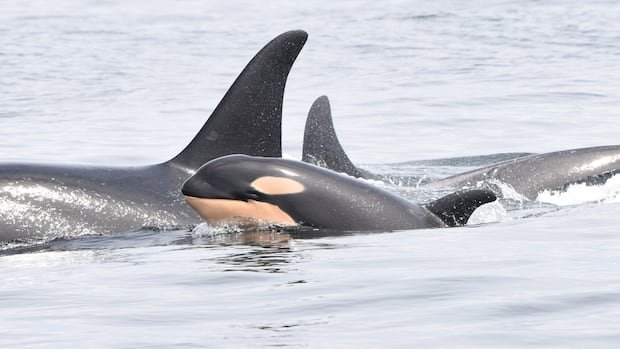
The scientists highlighted a forthcoming West Coast oil pipeline project, raising concerns about its potential impact on endangered species, notably the southern resident killer whale and Chinook salmon. These species, along with their habitats in the Salish Sea, would face severe threats from the pipeline’s construction and operation.
Expressing astonishment, Green criticized the Liberal government’s proposed changes to the Species At Risk Act, emphasizing the legislation’s importance in protecting endangered species. The alterations, including Bill C-5 and other legislative adjustments under review, set a concerning precedent according to Kathryn Harrison, a UBC professor specializing in climate and energy politics.
Despite sending the letter to the government, the scientists are still awaiting a response. The government has emphasized its commitment to species conservation and complying with the Species At Risk Act, citing the need to boost the economy and reduce dependence on U.S. trade amid ongoing trade tensions.
Following extended public consultations due to criticism from Indigenous groups and environmental organizations, formal legislation based on the proposed changes is anticipated after Parliament reconvenes in September. Green urged the government to reconsider its stance, warning about the irreversible consequences of species extinction in Canada.