
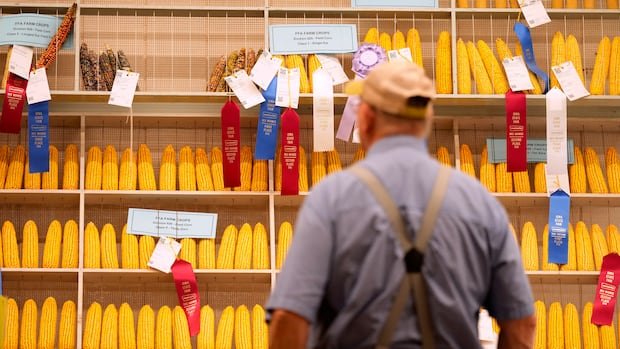
This weekend, a large crowd is flocking to the Iowa State Fair, a significant event known for its entertainment, rodeo, and iconic butter cow sculpture that has been a tradition since 1911. Similar to the Calgary Stampede in Canada, the Iowa State Fair serves as a pivotal platform for politicians to engage with voters, especially with the upcoming U.S. midterms stirring political discussions.
Among the topics resonating with Iowans this year is the impact of President Donald Trump’s trade policies. Aaron Lehman, a fifth-generation family farmer and head of the Iowa Farmers Union, expressed concerns about the tumultuous nature of the trade policies, creating uncertainty for farmers. The repercussions of the trade war have led to the loss of international customers, affecting Iowa’s agricultural sector significantly.
The looming threat of 50 percent tariffs on Canadian goods by President Trump on August 19 could further escalate the economic challenges for Iowa farmers, with Canada being a vital market for the state’s exports. Despite ongoing negotiations between the two countries over the weekend, a consensus on trade deals remains elusive, intensifying the economic unease among farmers like Lehman.
Lehman highlighted the strain on Iowa farmers due to Trump’s economic strategies, which have influenced the political landscape leading up to the midterm elections. Recent polling indicates a shift in competitiveness in key races, such as the Iowa governor and U.S. senator positions, reflecting the economic hardships faced by farmers and families in the state.
At a manufacturing facility in Iowa, U.S. Trade Representative Jamieson Greer defended Trump’s tariff tactics, emphasizing the administration’s commitment to bolstering American industry through tariffs and tax reforms. The Iowa Republican lawmakers have expressed mixed sentiments on Trump’s tariffs, reflecting the complexity of the trade policies impacting various sectors.
Amidst the trade tensions, Canada-U.S. negotiations are at a critical juncture, with significant disparities in reaching a tariff deal as the deadline approaches. Sources indicate that fundamental disagreements persist between the two nations, hampering progress on vital trade agreements. The uncertainty surrounding the tariff discussions has led to preparations for potential changes in trade policies on both sides, underscoring the high stakes involved in the ongoing negotiations.