
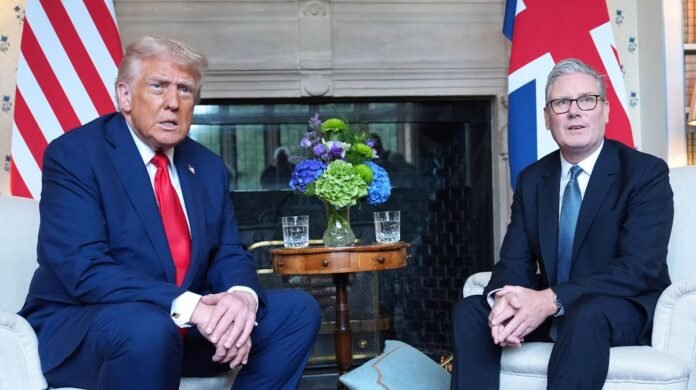
Donald Trump appears taken aback by the lack of support from America’s allies regarding the situation with Iran. However, this reaction shouldn’t come as a surprise as it was a foreseeable outcome.
In a nutshell, Trump initiated military actions against Iran without a clear strategy for the expected repercussions. While Iran couldn’t match the U.S. military power, they could disrupt the global economy by jeopardizing the Strait of Hormuz, a critical oil and gas shipping route.
Faced with the challenge of securing the Strait and lacking a swift victory, Trump sought assistance from other nations to address the aftermath of his actions. The international response to his request was a resounding rejection, primarily due to the potential backlash from their own citizens.
Furthermore, there has been a misconception about Trump’s nature and leadership during his second term. Despite being labeled as “transactional,” implying mutual benefits, Trump’s actions primarily serve his personal interests, administration, and legacy, rather than seeking equitable exchanges.
Trump’s approach to foreign policy often involves leveraging threats of violence or severe financial penalties to secure concessions, which is more akin to extortion than mutual deal-making. However, recent challenges, such as the loss of tariff authority by the Supreme Court, have weakened Trump’s negotiating position on the global stage.
Additionally, Trump’s overconfident actions, exemplified by his rapid intervention in Venezuela, fueled his belief in invincibility and disregard for international norms. This hubris led him to believe he could eliminate Iran without facing repercussions, a miscalculation that now confronts him.
In essence, Trump’s foreign policy approach has been characterized more by coercion than diplomacy, and his recent setbacks highlight the limitations of his tactics on the world stage.