
Millions of mobile and broadband subscribers will now be spared from unexpected price hikes in the middle of their contracts as major telecommunications companies have committed to a new agreement.
Providers of mobile and broadband services have been prohibited from tying price increases during contracts to inflation. Instead, customers must be clearly informed in monetary terms about any upcoming bill adjustments.
Despite these regulations, consumer advocates, such as Martin Lewis, have criticized some telecom companies for announcing larger mid-contract price increases than previously disclosed to customers.
As part of the new Telecoms Consumer Charter, companies are required to transparently disclose any future price alterations upfront. This ensures that customers have a clear understanding of the costs when signing up for new mobile or broadband agreements.
Moreover, there will be enhanced guidance on accessing lower-priced social tariffs for individuals eligible for specific benefits. According to Ofcom, these social tariffs could potentially save qualifying households up to £220 per year.
Critics argue that while these measures aim to curb above-inflation price hikes, they do not completely prevent telecom providers from implementing variable pricing strategies.
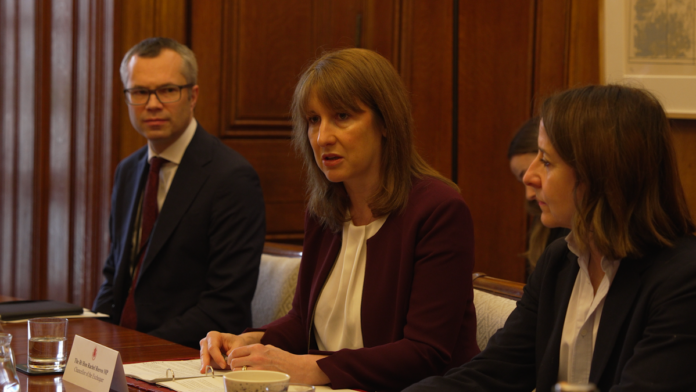
Chancellor Rachel Reeves and Technology Secretary Liz Kendall officially confirmed the new rules following discussions with leading telecom providers. Chancellor Reeves emphasized monitoring telecom companies closely and taking further action if they fail to comply with the agreement.
She expressed confidence that the companies will adhere to the commitments, ensuring that excessive price hikes beyond contractual terms will cease. Customers were previously dismayed by unexpected bill escalations, leading to the voluntary agreement with telecom firms to prevent such scenarios from recurring.
In response to the industry’s support for customers, Ms. Reeves stated that the charter’s implementation aims to prevent the significant price hikes witnessed last year. Sebastien Lahtinen, Director of thinkbroadband.com, highlighted that while the changes enhance clarity and restrict unplanned increases, they do not eliminate annual rises entirely or guarantee reduced costs for customers on lower-tier packages.
The development coincides with mounting pressure on Prime Minister Keir Starmer to step down following contentious decisions, including the appointment of Lord Mandelson as the US ambassador last year. Nevertheless, Chancellor Reeves reiterated her full backing for the Prime Minister, emphasizing unity within the party and government to deliver on their mandate.
For those out of contract, it is advisable to compare prices online to potentially save on mobile and broadband expenses. Assessing current usage levels can help identify unnecessary allowances, facilitating a switch to a more suitable provider or negotiating better terms with the existing one. Eligibility for a discounted social tariff should also be explored, particularly for those claiming benefits.