
In the past, the term “Special Relationship” symbolized more than just a diplomatic phrase. It represented shared sacrifices, mutual respect, and the understanding that differences between Britain and America were resolved privately.
Donald Trump has disregarded this tradition with his recent comments. He openly stated that the UK, once a great ally, is unnecessary for the United States as they have already claimed victory in war. This disrespectful and historically inaccurate statement undermines the long-standing military cooperation between the two nations.
The United Kingdom has consistently stood by the United States in major conflicts, including the Gulf War, Afghanistan, and Iraq, with British troops fighting alongside American forces. Trump’s assertion that Britain only joins after victory is not only incorrect but also dishonors the memories of those who fought and perished in joint military operations.
Trump’s disregard for alliances and historical significance is evident in his simplistic view that relationships are only valuable when serving his immediate interests. This approach undermines the foundational values that have shaped Western alliances post-1945.
Despite the UK’s support for the US by allowing operations from British bases related to conflicts in the Middle East, Trump opts to publicly diminish the UK, a country that has been a steadfast partner in numerous wars.
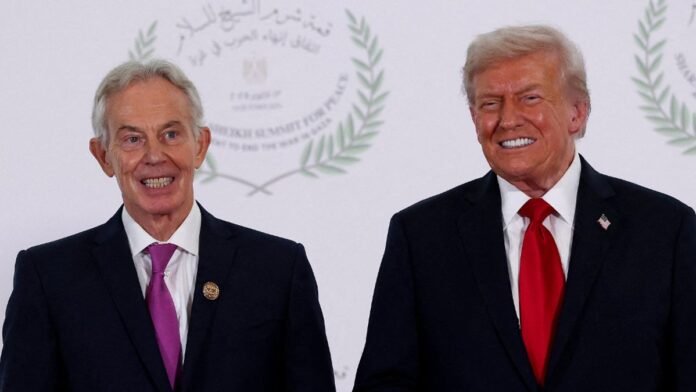
This behavior reflects Trump’s disregard for international alliances, treating them more like reality TV disputes. However, the response from Tony Blair, criticizing Keir Starmer for not promptly supporting Trump’s military actions against Iran, raises concerns given Blair’s own controversial involvement in the Iraq War.
Blair’s current position on Trump’s “Board of Peace” is ironic, considering Trump’s divisive rhetoric and Blair’s past decisions that eroded trust in British foreign policy. The juxtaposition of Blair advising swift action in Middle East conflicts under Trump’s leadership is a stark reminder of the complexities and consequences of past decisions.
Trump’s stance on alliances reflects a departure from traditional Western diplomacy built on shared values and mutual respect. Starmer’s caution in considering legality and national interest before military involvement is a prudent approach, especially in light of past missteps like the Iraq War.
Blair’s alignment with Trump’s agenda raises concerns about blindly following American decisions without thoughtful consideration. The essence of the Special Relationship lies in respectful disagreement and mutual sovereignty, not blind obedience to a dominant power.
The future of American foreign policy under Trump’s leadership raises alarms about the erosion of longstanding alliances and the shift towards imperial-like behavior. Britain must assert its independence and not succumb to subservient roles, as history has shown the consequences of such actions.
Blair’s alignment with Trump’s rhetoric is a stark reminder of the importance of upholding independence and critical thinking in the face of dominant powers. The Special Relationship thrives on mutual respect and cooperation, not unilateral directives from a single nation.