
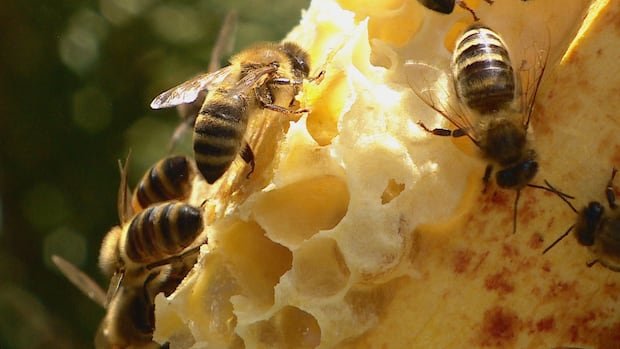
The most recent set of U.S. tariffs is anticipated to halt the flow of honey from Canada into the United States, as stated by the president of the Saskatchewan Beekeepers Development Commission, Simon Lalonde. Lalonde mentioned that the 50% tariff imposed on a variety of goods, including honey, which took effect on Friday, is deemed excessively high. He also expressed concerns that Canadian beekeepers would struggle to absorb such additional costs, potentially leading U.S. honey packers to seek honey from other countries they import into the U.S.
Canada primarily distributes its honey domestically, with the United States and Japan being the other key markets. Lalonde highlighted that Western Canada, particularly the Prairie provinces, is the primary source of honey supplied to the United States. Approximately 15 to 20% of the honey produced in Canada, around 12 million pounds, is exported to the U.S., posing a significant challenge for producers with the potential loss of this market. The industry is currently awaiting developments on September 8, coinciding with Prime Minister Mark Carney’s announcement of retaliatory tariffs on U.S. goods.
The Saskatchewan Chamber of Commerce expressed deep concerns over the repercussions of the recent tariffs, citing potential devastating effects on various sectors of the provincial economy. The chamber backed the federal and provincial governments’ stance against unjust U.S. demands and called for supportive measures to bolster businesses throughout Saskatchewan. Premier Scott Moe’s response to the tariffs, expressed through social media, aligns with the federal government’s decision to walk away from negotiations and implement dollar-for-dollar counter-tariffs.
Amidst the ongoing trade tensions, one Saskatchewan company experienced positive outcomes following the decision by other Canadian provinces to remove American-produced liquor from their shelves. Although Saskatchewan initially considered this approach, it opted to leave the choice to consumers. The sale of American alcohol significantly declined over the last fiscal year despite its reintroduction in Saskatchewan, indicating a shift in consumer preferences towards Canadian products.
Furthermore, the Opposition NDP in Saskatchewan urged the province to eliminate American liquor from liquor store shelves and suggested adopting a procurement policy favoring Canadian companies for government contracts. These actions are viewed as symbolic gestures with potential significant impacts. The NDP emphasized the importance of a firm stance from Premier Moe in addressing the trade dispute to safeguard jobs in Saskatchewan.
Despite uncertainties surrounding the honey market, Lalonde remains optimistic, suggesting potential opportunities for Canadian producers to explore new export avenues. He emphasized the importance of consumer support in mitigating the impact of losing the U.S. market, proposing increased domestic consumption of honey as a potential countermeasure.