
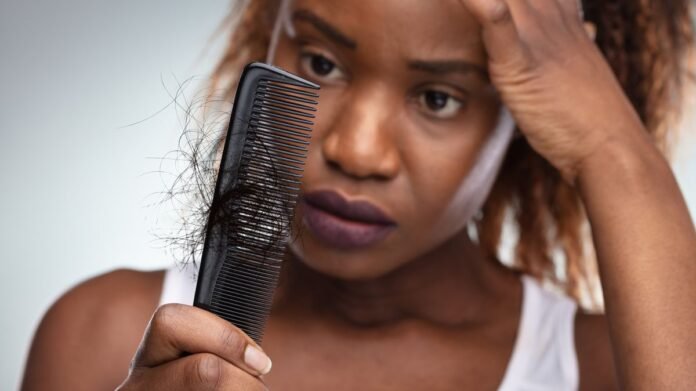
Suddenly, many individuals are facing a concerning issue of experiencing rapid hair loss, a situation seemingly prevalent among various people. The sudden surge in this phenomenon raises questions about its underlying causes and widespread occurrence.
The distressing sight of shedding hair strands, whether during a shower or while grooming, is typically associated with men facing baldness, not commonly with women. However, the current scenario witnesses a noticeable increase in women openly discussing their hair thinning concerns.
The escalating awareness around hair loss issues is evident through the significant rise in searches for hair growth supplements, which have recorded a 100% annual search uptick as reported by Cosmetic Design Europe. Notably, Superdrug has introduced the first high street hair health blood test in the UK to aid in identifying potential causes of hair loss.
Various factors contribute to hair loss, including hormonal imbalances, stress, and anxiety. The prevalent experiences of burnout, financial strain due to the cost of living crisis, sleep deprivation, and overstimulation collectively impact hair health, attributing to the observed increase in hair loss cases.
While individuals may attribute hair loss to personal habits like past hair treatments or styling practices, experts suggest deeper underlying issues may be at play. Chronic stress, for instance, can disrupt the hair growth cycle, leading to a reactive shedding phase known as telogen effluvium.
Furthermore, stress impacts sleep patterns, dietary habits, and hormonal levels, exacerbating the risk of hair loss. This cycle of stress-related factors contributes to a continuous loop of hair loss concerns affecting a broader population.
Addressing daily habits that may inadvertently contribute to hair loss, hairdresser Rachel Valentine, known as @rachelvalentinehair on TikTok, highlights how seemingly innocuous actions can impact hair health significantly. For instance, she emphasizes the damaging effects of frequently tying hair into tight buns, especially when wet.
She cautions against tying up wet hair, explaining how wet hair’s elasticity makes it vulnerable to breakage. Rachel’s insights shed light on common practices that, if not addressed, can lead to hair breakage and thinning over time.
In addition to lifestyle adjustments, natural remedies like warm coconut oil pre-wash and homemade hair masks can aid in repairing damaged hair. These methods, recommended by hair experts, provide nourishment and strength to stressed hair, offering a holistic approach to hair care.
By understanding the various factors contributing to hair loss and adopting suitable preventive measures, individuals can mitigate the impact of hair loss issues and promote healthier hair growth.