
Australian scientists have developed a groundbreaking online tool to assess the climate impact of fossil fuel projects, with a Canadian offshore oil venture serving as a key case study. The Carbon Impacts Tracer can predict the effects of proposed mines, offshore oil platforms, and other energy initiatives on global warming, glacier melt, and human health.
According to Sarah Perkins-Kirkpatrick, a climate science expert at the Australian National University, the tool links emissions from individual fossil fuel projects to their contribution to global warming and subsequent impacts. By utilizing carbon dioxide emission data from project proposals, the tool calculates the projected temperature rise and translates it into tangible outcomes such as coral reef loss, reduced food production, and job cuts.
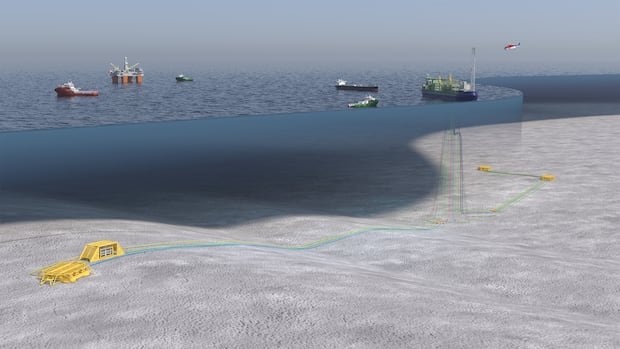
The newly launched online platform features analyses of various projects, including the Bay du Nord offshore oil development in Canada, spearheaded by Equinor. The tool estimates that emissions from the Bay du Nord project could reach 188 megatonnes over two decades, resulting in a minimal temperature increase globally. Additionally, it predicts increased heat exposure for over 111,000 individuals, leading to 25 heat-related fatalities in Europe and causing glacier loss and sea level rise.
Moreover, the tool suggests that the project could result in the loss of 2,100 jobs due to pollution, pushing nearly 9,800 people into extreme poverty. Despite requests for comments, Equinor did not respond immediately to inquiries on the matter.
While not directly involved in the Carbon Impacts Tracer project, climatologist Joel Finnis emphasized its value in consolidating research findings for public comprehension. He underscored the tool’s ability to challenge arguments favoring new oil production by highlighting the significant environmental, social, and economic consequences associated with such projects.
Maria Nawaz, from the University of New South Wales, praised the tool for bridging the gap between fossil fuel projects and their real-world impacts, countering claims that individual projects have minimal emissions. She anticipates that the tool will support climate litigation efforts and enable stakeholders to make informed decisions on proposed developments.
Nawaz also suggested potential applications of the tool by insurers to assess project risks and by economists to forecast economic repercussions. The Carbon Impacts Tracer currently focuses on proposed projects, with plans to include additional developments as more data becomes accessible.