
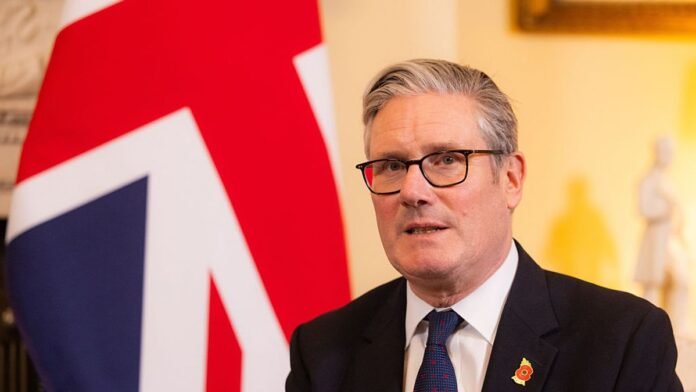
Keir Starmer has reacted to the damning findings of the Covid Inquiry released today, acknowledging the “pain and suffering” resulting from government failures.
In a scathing report, chaos within the government and a lack of seriousness towards Covid-19 were cited as contributing factors that led to the loss of 23,000 lives during the initial wave of the pandemic. Baroness Heather Hallett highlighted a “toxic” culture at Number 10 under Boris Johnson’s leadership, where decisions were frequently reversed, and key figures like Health Secretary Matt Hancock and essential scientists failed to act promptly.
In a written response, Mr. Starmer mentioned that lessons have been acknowledged, although public services are still struggling to recover from the aftermath of the pandemic. The Prime Minister indicated that the government will thoroughly review all the findings and recommendations presented in the report.
The report criticized the government for its delayed responses, lack of proper economic and social modeling in decision-making, inadequate consideration for vulnerable populations, and a described “toxic” environment within the government’s core.
Looking ahead, the government aims to bolster economic growth and reform public services to enhance national resilience in preparation for future crises.
Baroness Hallett’s report also called out Mr. Johnson for his overly optimistic approach in the early stages of the pandemic and criticized his adviser, Dominic Cummings, for creating a negative atmosphere in Downing Street.
The inquiry revealed that the implementation of timely measures such as social distancing and household quarantine could have prevented the necessity for the first and second lockdowns. Failure to act promptly would have resulted in a significant loss of life, and earlier implementation of lockdown measures could have saved approximately 23,000 lives in England during the initial wave.
The report emphasized that the seriousness of the virus was not grasped by the UK governments until it was too late, and urgent actions were lacking, particularly in February 2020. Mr. Hancock was noted for making promises that were not fulfilled, causing dissatisfaction among senior officials and advisers.
The report underscored the need for a more proactive and decisive approach from the government in handling such crises and highlighted the importance of preparedness and swift action to mitigate the impact on public health and the economy.