
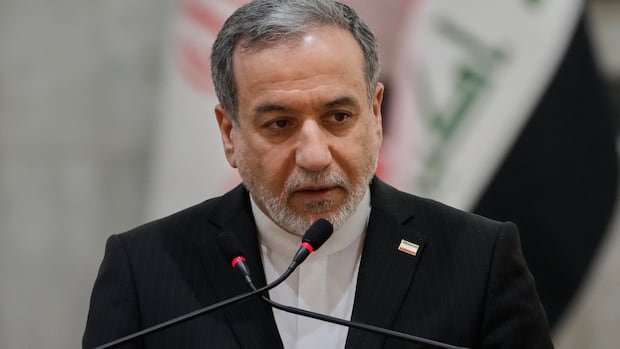
Iran’s foreign minister has dismissed recent threats made by U.S. President Donald Trump, who announced intentions to initiate the “MOST CRUSHING ECONOMIC OPERATION EVER TAKEN” against Iran. Abbas Araghchi, in a post on X, referred to Trump’s “Economic D-Day” as a distraction from America’s financial challenges, highlighting massive debt and escalating interest costs. Araghchi emphasized that persisting with failed policies would only lead to further defeat and animosity towards Iranians. He warned that U.S. economic aggression posed a threat to the global economy and sovereignty worldwide.
Trump’s declaration of unleashing “Economic Warfare and Isolation on an unprecedented scale” against Iran came a day before Araghchi’s response. The U.S. president’s Truth Social post also cautioned countries about facing “TREMENDOUS Economic Consequences” if they supported Iran in any manner. Trump urged allies to stand together to isolate and overcome the Iranian threat without specifying targeted nations or outlining specific actions.
China, a significant buyer of Iran’s oil, faces potential repercussions if the U.S. escalates economic tensions with Iran, risking retaliatory measures. Chinese Foreign Ministry spokesperson Lin Jian emphasized the insufficiency of sanctions and pressure tactics as solutions, calling for responsible actions and adherence to political and diplomatic approaches.
U.S. Treasury Secretary Scott Bessent hinted that a focus on economic measures could reduce the necessity for major military interventions against Tehran. Following the U.S. threats, oil prices surged to their highest level in over three weeks, driven by expectations of financial penalties to resolve the prolonged conflict and oil supply disruptions in the Middle East.
Former U.S. ambassador to Israel, Dan Shapiro, criticized Trump’s approach, highlighting Iran’s capability to endure and retaliate against economic pressure. Shapiro underscored the cyclical nature of escalations and the need for the U.S. to recognize Iran’s agency in the situation. The ongoing conflict has resulted in significant casualties, with peace negotiations faltering as the two countries remain at an impasse following the expiration of a 60-day negotiation period for a peace agreement. Despite Trump’s indication of potential resumption of talks in the future, the prospects for a lasting resolution remain uncertain.