
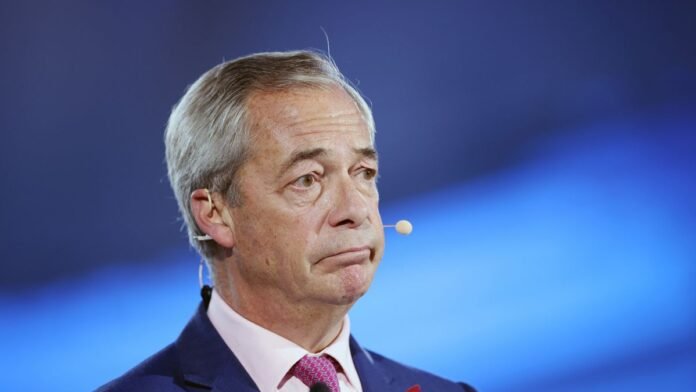
Shabana Mahmood has firmly rejected Nigel Farage’s insinuation that her recent asylum policy changes were an attempt to impress Reform UK. The Home Secretary retaliated against the Reform leader’s comments, asserting that Labour was not influenced by his party despite their lead in the polls. Mahmood faced criticism for unveiling stringent measures, including the directive to proceed with the removal of families, including children, sparking a strong backlash.
In response to Farage’s suggestion that she could find a place in Reform UK due to her controversial proposals, Mahmood curtly dismissed the idea, stating she was not interested in his opinions. Emphasizing her focus on rectifying the broken asylum system as her duty as Home Secretary, she highlighted the need to address the system’s shortcomings and bridge societal divides.
Farage welcomed Mahmood’s assertive stance, viewing it as potentially aligning with Reform’s values. However, he expressed skepticism regarding her ability to garner support from her own party members and the challenges posed by existing European human rights laws. At a subsequent press conference, Farage speculated that Mahmood’s motivations stemmed from the Government’s concerns about losing votes to Reform, hinting at a possible defection by Mahmood to his party.
Critics, including left-wing groups and refugee charities, have strongly condemned Mahmood’s stringent asylum proposals. Labour peer Lord Alf Dubs, a Holocaust survivor, criticized the Home Secretary for using children as a tool in her asylum strategy, calling for a more compassionate approach in policymaking. Enver Solomon, the CEO of Refugee Council, expressed doubts about the efficacy of Mahmood’s reforms, warning that they could exacerbate existing issues in the asylum system and lead to further hardship for those seeking protection.
Overall, Mahmood’s firm stance on asylum policy reform has sparked debate and criticism, with contrasting views on the effectiveness and implications of her proposed changes.