
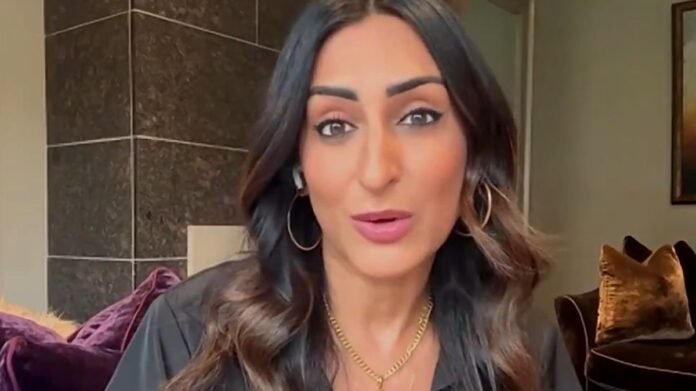
Dr. Punam, a doctor at the NHS, has raised concerns for individuals taking specific medications for heart conditions or poor circulation. During a recent episode of BBC’s Morning Live, she advised anyone experiencing symptoms that could be easily mistaken for something else to consult a doctor promptly.
As the weather gets colder, it’s crucial to be vigilant for warning signs that might be overlooked due to the dropping temperatures. While feeling cold in winter is normal, persistent coldness, especially indoors or while wearing warm clothing, could indicate underlying issues exacerbated by certain medications.
Dr. Punam emphasized the importance of seeking medical advice if experiencing unusual coldness accompanied by other symptoms like pain, tingling, numbness, weakness, or skin color changes. She highlighted conditions such as iron deficiency, underactive thyroid, and Raynaud’s that can contribute to feeling excessively cold.
Furthermore, Dr. Punam pointed out that medications like diuretics, antidepressants, vasodilators, and beta blockers can impact body temperature regulation, potentially leading to cold extremities. She stressed the need to discuss any medication-related temperature changes with a healthcare provider for appropriate adjustments.
In addition to medical factors, Dr. Punam mentioned hormonal fluctuations in women, emphasizing the impact of perimenopause and menopause on temperature regulation. She also recommended maintaining proper nutrition, hydration, and dressing in layers to retain warmth effectively.
Ensuring a comfortable home environment with insulation and suitable temperature settings, especially for older adults, can also aid in combating excessive coldness. Dr. Punam advised practical measures like leg elevation and compression stockings for individuals with circulation issues, urging those struggling to seek medical guidance promptly.