
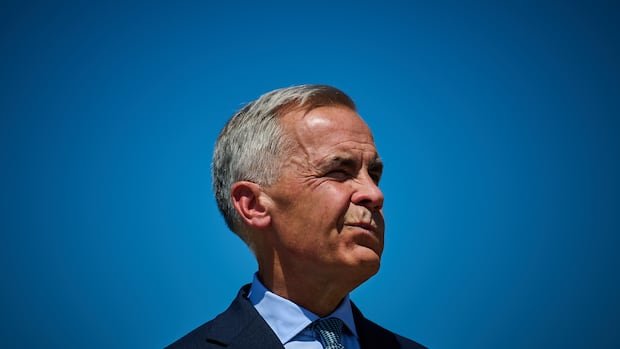
Prime Minister Mark Carney has described the ongoing negotiations with the U.S. to avert impending tariffs as “delicate” and “intense.” Carney intends to engage in discussions with his American counterpart within the next 48 hours to reach a mutually beneficial agreement. During a press briefing in St. John’s, Carney refrained from disclosing the specifics of the talks to avoid public negotiation, emphasizing the importance of the current delicate phase of negotiations.
When asked about potential retaliatory measures if an agreement is not reached to avoid the new tariffs, Carney affirmed his readiness for any scenario. Recent discussions between Carney and President Donald Trump have focused on averting the threatened Section 338 tariffs on Canadian goods, set to take effect imminently.
Canada’s Trade Minister Dominic LeBlanc and Chief Trade Negotiator Janice Charette have been engaging in discussions with U.S. Trade Representative Jamieson Greer to prevent the planned Section 338 tariffs and potentially reduce existing tariffs on industrial products. Following an extended meeting between the Canadian officials and their U.S. counterparts, it remains uncertain if further ministerial-level discussions will occur before the tariff deadline.
The negotiation process involves trade-offs between the two nations. The U.S. aims to reintroduce American liquor in Canadian stores and seeks the removal of Canadian retaliatory tariffs on U.S. automobiles, along with adjustments to Canada’s dairy sector. Conversely, Canada is pushing for the elimination of the threatened Section 338 tariffs and substantial relief from existing U.S. tariffs on key sectors.
Despite challenges, Erin O’Toole, a member of the prime minister’s advisory committee, expressed optimism about the progress made in negotiations. O’Toole emphasized the importance of a fair deal for Canadian workers and the economy, stressing the need to avoid escalating trade tensions that could harm both countries.
In conclusion, the negotiations are at a critical juncture as both sides seek to find a balance that addresses their respective concerns while fostering a mutually beneficial trade relationship.