
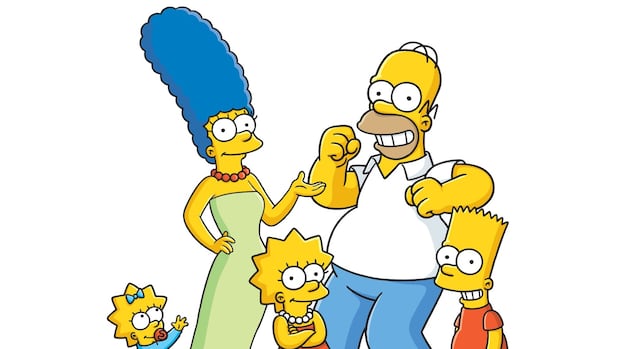
As a child in Quebec, Joshua Biasotto became captivated by The Simpsons after he found the dubbed version in Québécois French.
He explains that he not only cherished the show’s eccentric characters, sharp wit, and satirical commentary on life, but also “developed a deep appreciation for Quebec dubbing.”
“I’ve done my homework,” Biasotto remarked. “I can tell you which actor voices which character.”
However, last August, after 35 years, Corus Entertainment’s Télétoon, which held the rights for airing the series in Canada and managed its dubbing, chose not to renew those rights for the upcoming 36th season.
This decision threatened the future of Les Simpson.
Feeling distressed, Biasotto took immediate action, launching an online petition on Change.org titled Sauvons le doublage québécois des Simpsons — “Let’s preserve the Quebec dub of The Simpsons.”
“I thought, this cannot be allowed to happen,” Biasotto expressed. “It’s a crucial part of our identity that we would lose.”
He noted that the Quebec adaptation included local phrases and cultural references, making it distinctly relevant to the audience.
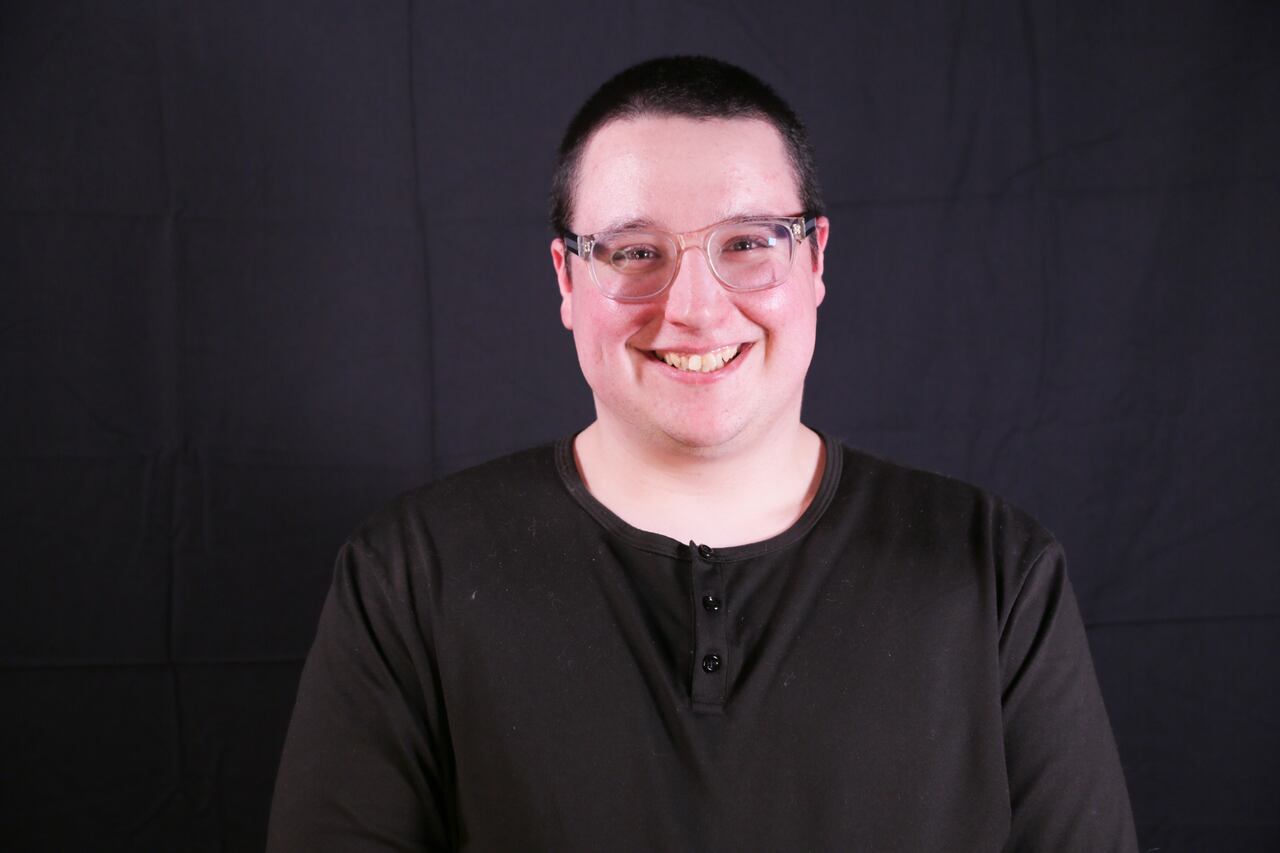
Joshua Biasotto, 28, hails from Saint-Marc-des-Carrières, Que., and initiated the petition to preserve Les Simpson as a devoted fan of the series. (Submitted by Joshua Biasotto)
For instance, the characters used regional Quebec accents, including joual, the informal dialect linked to working-class Montreal, while American locations and figures were substituted with local references.
In one example, a scene set in upstate New York, featuring cities like Utica and Albany, was transformed in the Québécois version to highlight the Lac-Saint-Jean region and the towns of Jonquière and Alma.
Ian Lafrenière, Quebec’s deputy premier and a dedicated Simpsons enthusiast, even posted on Facebook that the Quebec dub should be preserved, labeling the cultural and geographical references within the show as “sublime.”
Furthermore, the public demand to save Les Simpson resonated with a sentiment that extended beyond mere nostalgia.
Dubbing has a rich history in Quebec, enabling the adaptation of global entertainment to mirror the province’s language, humor, and culture.
Dubbing as Quebec identity
In Quebec, the tradition of viewing American and other English-language films and shows in French has long been integral to the culture, according to Daniel Béland, head of the McGill Institute for the Study of Canada at McGill University in Montreal.
A dubbing industry took shape in the province following World War II, allowing audiences to enjoy international entertainment in their native language, complete with familiar voices, expressions, and cultural references.
While French-language content from France was available, Quebec’s unique culture and idioms often rendered those productions feeling foreign to local viewers.
“Transitioning from the Quebec version to the French version from France would be quite a cultural shock,” noted Béland.
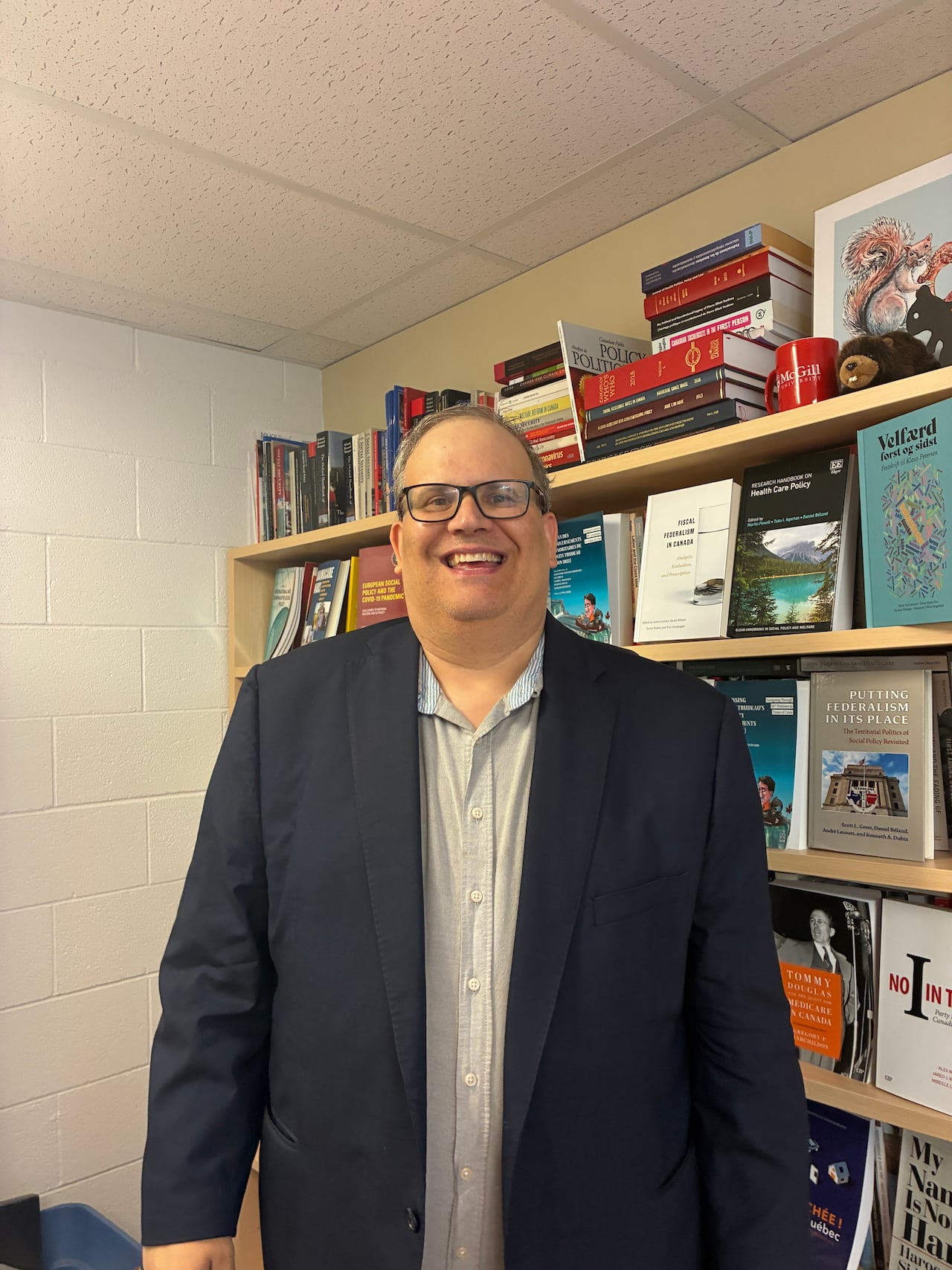
Daniel Béland serves as the director of the McGill Institute for the Study of Canada at McGill University in Montreal. (Peter Mitton/CBC)
Moreover, dubbing is about more than just translating words; it especially applies to humor. Certain jokes may not resonate if translated literally, necessitating adjustments or substitutions with references meaningful to local audiences.
“The experience will not be the same,” he remarked. “Humor, much like poetry, is incredibly challenging to translate.”
Quebec is home to the vast majority of Canada’s French speakers, with 84.1 percent of the province’s residents communicating in French, according to the 2021 census from Statistics Canada.
Maintaining the dubbing industry, Béland asserts, also plays a key role in safeguarding the province’s native language.
“There’s an understanding that Quebec is like a French island surrounded by an English-speaking sea, creating a sense of vulnerability for the French language.”
For the voice actors, it was personal
The potential absence of Les Simpson triggered a response in Quebec that felt like “an earthquake,” according to Thiéry Dubé, who has voiced Québécois Homer Simpson, the famously clumsy family patriarch, since 2017.
“For [Quebecers], it’s akin to poutine, you know? It’s so ingrained in our culture and identity here.”
The announcement also came during a particularly tough year for the Quebec dubbing team, Dubé mentioned.
Béatrice Picard, who voiced Marge, Homer’s wife, passed away in December at the age of 96.
A few months later, in April, Benoît Rousseau, who voiced several key characters including Grampa Simpson, Mr. Burns, and Duffman, and was the show’s principal adapter, also passed away.
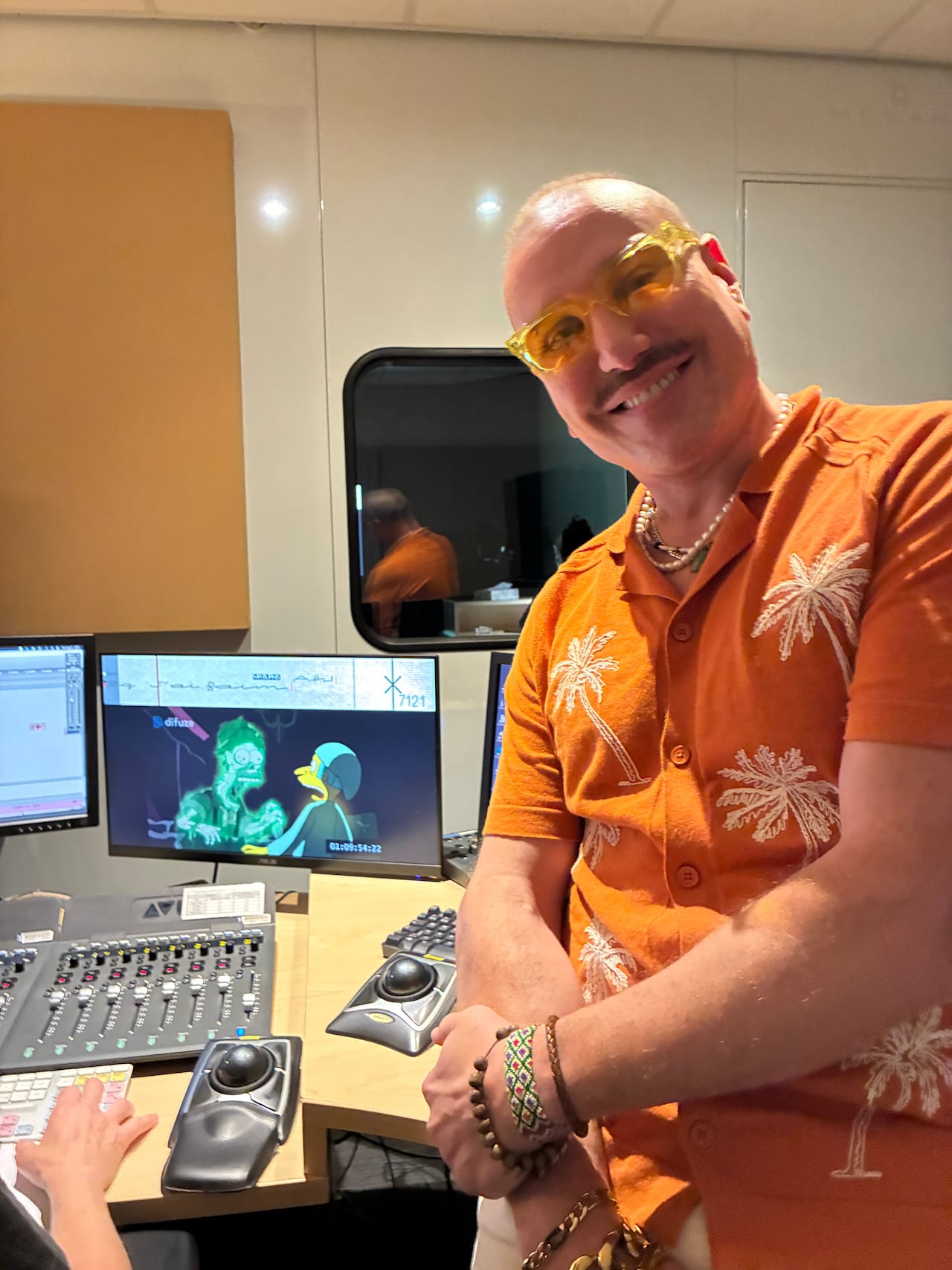
Quebec voice actor Thiéry Dubé has voiced Québécois Homer Simpson since 2017. (Peter Mitton/CBC)
Dubé mentioned that the uncertainty surrounding the show’s fate added to an already challenging time.
“We were living from day to day, waiting, and it was overwhelming for me, as each day passed without someone stopping me on the street asking, ‘Are you guys going to come back?’”
The intense loyalty from fans provided some comfort.
“[They conveyed] I don’t want it to be in French from France, and it was very moving to see everyone rallying for it.”
Bringing Les Simpson back
The campaign was successful.
Biasotto’s petition garnered over 35,000 signatures, leading to the revival of Les Simpson in May after Bell Media reached an agreement with Disney Entertainment to air the show. The new season is scheduled to debut on September 9 on Noovo.
“It had a larger impact than I could have ever anticipated,” Biasotto stated.
The return was also a positive development for difuze, the largest French dubbing studio in Canada, which operates in Montreal and Toronto and is responsible for dubbing Les Simpson.
Elizabeth Pélissier, vice-president of dubbing at difuze, expressed the studio’s excitement to be involved in reviving the show in the language that Quebec audiences cherish.
“We’re proud to ensure that we can bring back all the actors and contribute to the artistic process,” she noted.
Les Simpson is returning at a time when the dubbing sector in Quebec is experiencing unprecedented activity.
Difuze, established in 2018, has reported an increase in the amount of content it dubs, according to Pélissier. With streaming services like Disney, Netflix, Amazon, and Crave rolling out an increasing number of series, the French studio has expanded its workload beyond just films.
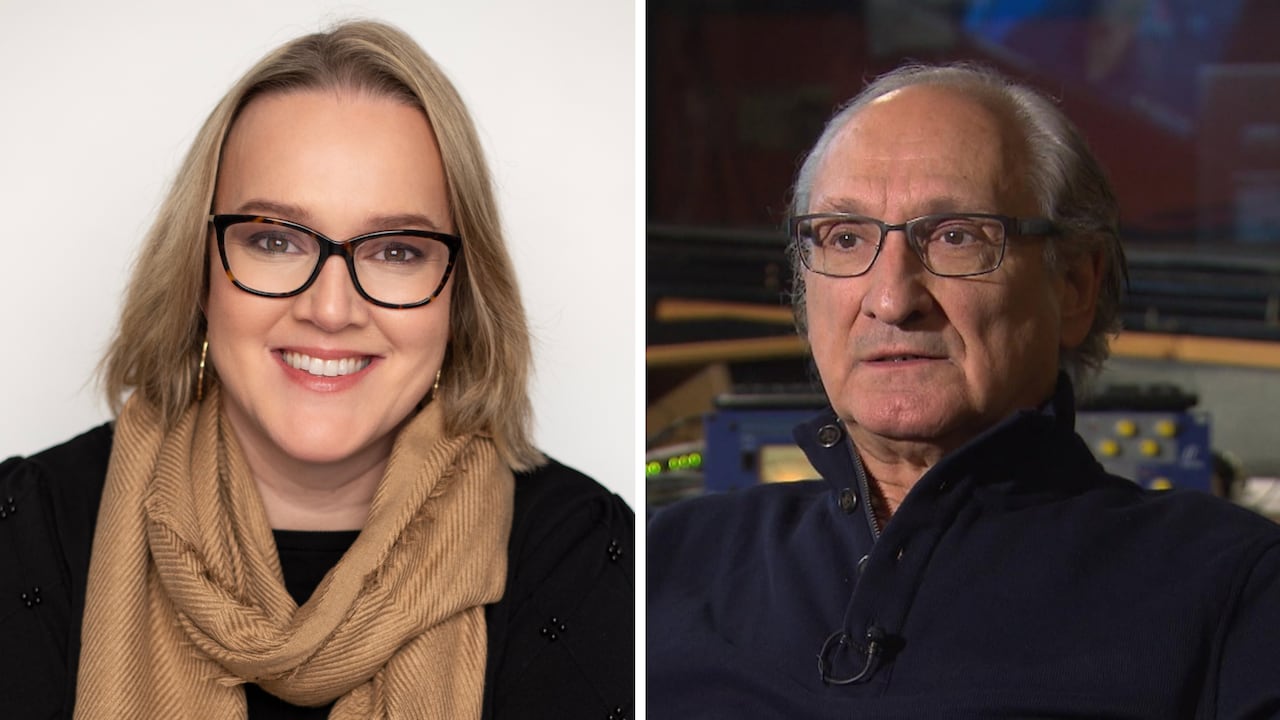
Elizabeth Pélissier, left, is the vice-president of dubbing at difuze; Joey Galimi is the president of the National Association of Professional Dubbers. (Submitted by Elizabeth Pélissier, CBC Radio Canada)
The studio has worked on projects such as Stranger Things, Moana, and Toy Story 5. However, Pélissier mentioned that this growth has also introduced new challenges. While there is an increase in dubbing work, the timelines for production have tightened, compelling teams to “put in significant overtime.”
Joey Galimi, president of the National Association of Professional Dubbers, which has represented dubbing professionals across Canada for five decades, noted that the industry is currently “very robust.”
Nonetheless, he expressed concern regarding the potential impact of AI-generated dubbing on human voice actors.
In an email statement to CBC, Walt Disney Studios Canada confirmed that under the new agreement, the airing and dubbing of Les Simpson “will continue to be performed in Quebec by local talent.”
For Galimi, the revival of Les Simpson signifies more than just the show’s enduring appeal; it highlights the influence of its devoted fans.
“The fact that it was cancelled and is now returning is also beneficial because it will attract new audiences — fresh viewers.”