

A business proprietor in Pickering, Ontario, specializing in the sale of golf trolleys, is speaking out against what he perceives as unfair taxation linked to an outdated federal tariff aimed at Chinese electric vehicles.
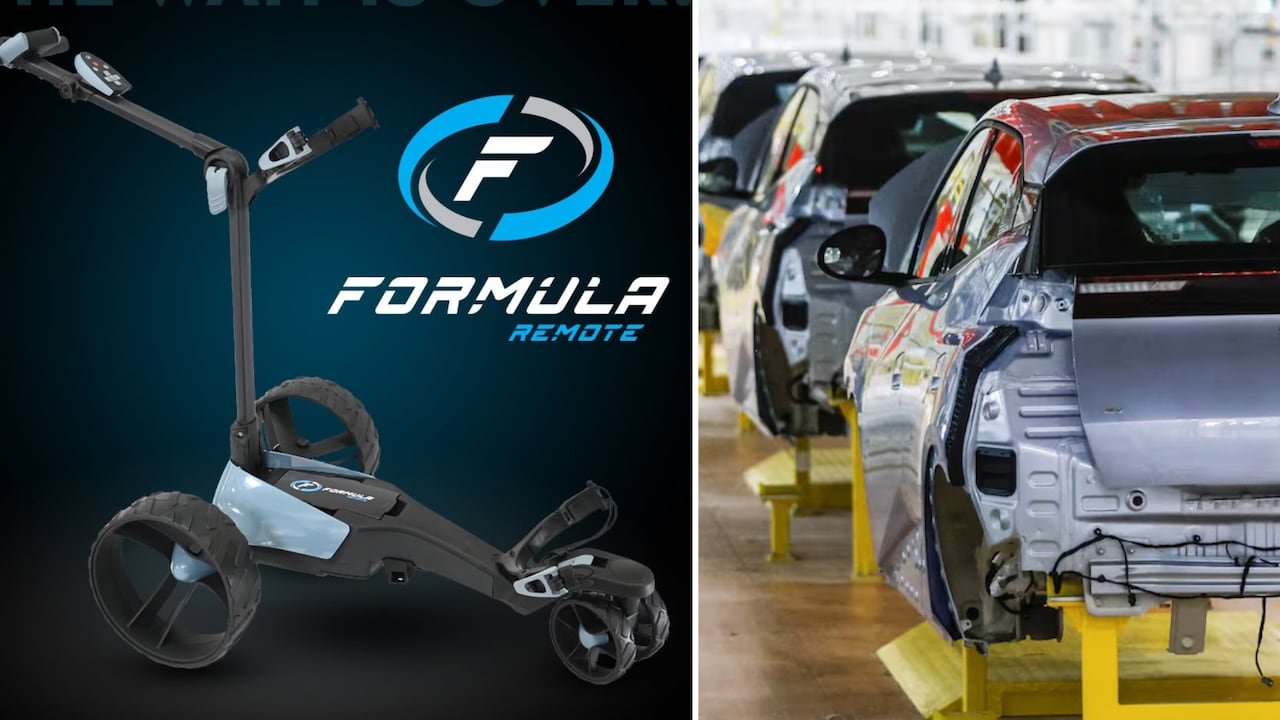
The owner of JPSM Golf, which offers remote-controlled electric golf trolleys for carrying players’ golf bags as they traverse the course, recently encountered a situation involving a shipment of 330 trolleys from China in April 2025. Initially, the trolleys were subject to the standard 6.1% import tariff in Canada, requiring the company to pay slightly over $19,000.
However, in May of the same year, Joseph McLuckie, the business owner, was notified by the Canada Border Security Agency (CBSA) that his trolleys had been reassigned to a different tariff classification. This reclassification subjected the trolleys to the China Surtax Order, which imposed a hefty 100% surtax on Chinese electric vehicles, as well as “electric and certain hybrid passenger automobiles, trucks, buses, and delivery vans.”
As a result of this reclassification, McLuckie is now facing a bill of $182,883.95, inclusive of interest and GST.
Expressing distress over the situation, McLuckie mentioned the toll it has taken on him personally, causing stress and sleepless nights as he wonders about the future repercussions.
He expressed bewilderment at the inclusion of his golf trolleys in a tariff primarily aimed at Chinese EVs and designed to safeguard Canada’s automotive industry.
McLuckie challenged the logic behind this tariff, highlighting the stark differences between his golf trolleys and electric vehicles and questioning the validity of the tariff application.
Owner Attributes Tariff Issue to Unintended Consequences
Following the introduction of the surtax order in 2024, the government’s rationale, as stated in a news release, was to create a level playing field for Canadian workers.
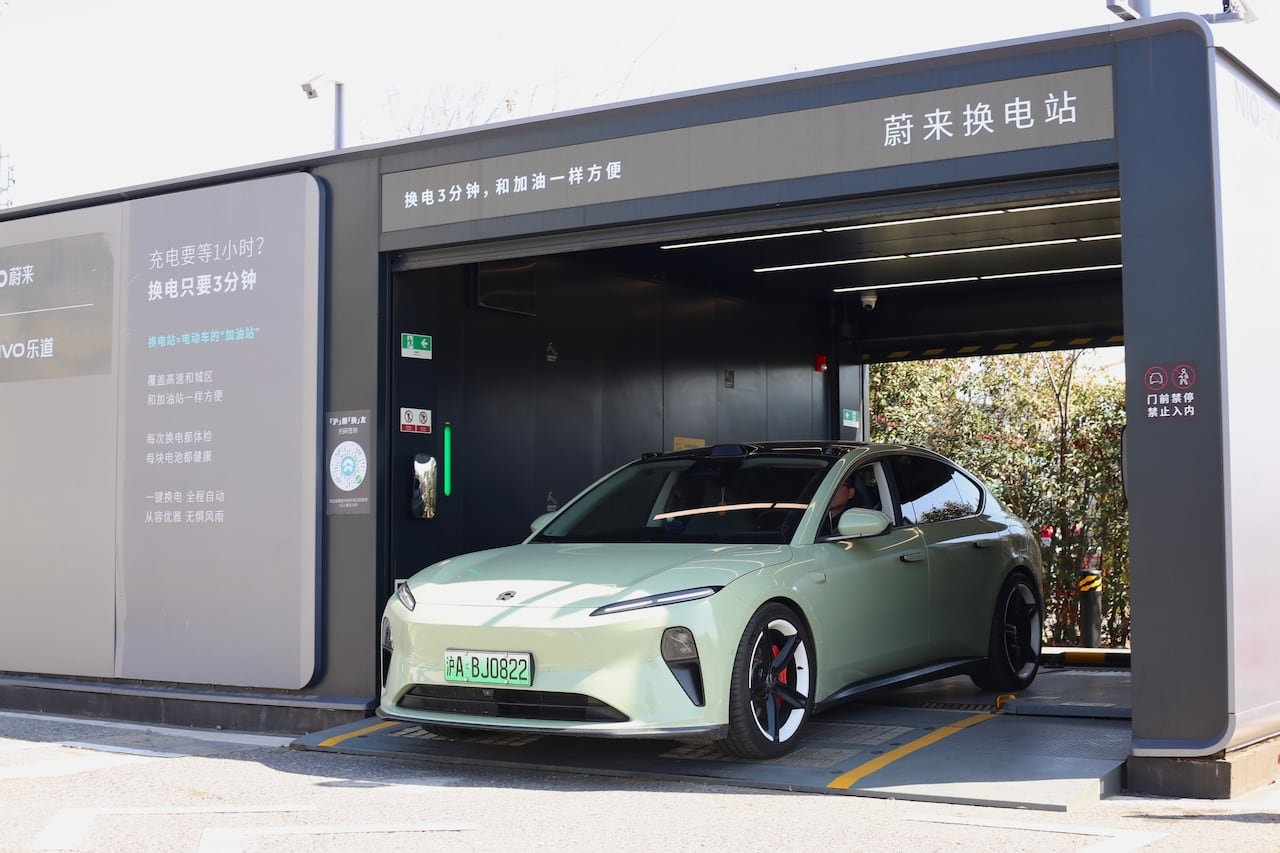
In addition to electric vehicles, the order encompassed broader tariff classifications, including “motor vehicles for the transport of goods – other with only electric motor for propulsion.” It was this classification that the CBSA applied to the trolleys in May, subjecting them to the 100% surtax.
Prior to this reclassification, the trolleys fell under the classification of “motor vehicles for the transport of goods – other.”
Although the China Surtax Order was repealed by the federal government in March 2026, it remains applicable to shipments made during its active period, as confirmed by the Department of Finance in an email statement.