
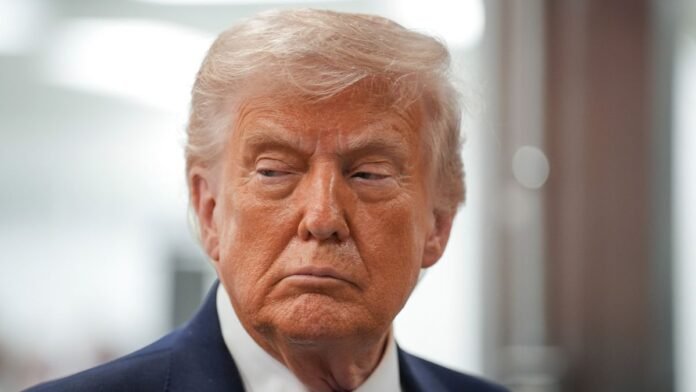
Cautious Keir, as I like to call him, is proving to be a prudent leader in contrast to the reckless behavior of certain world figures. While some politicians act impulsively, risking conflict, Keir Starmer has shown restraint, avoiding unnecessary confrontations and maintaining peace with Iran.
The importance of the special relationship between the UK and the US is evident, as highlighted by historical references to Churchill’s Iron Curtain speech emphasizing the bond between English-speaking nations. However, being an ally does not mean blindly following every directive, especially when it puts the country at risk.
Critics have compared Starmer to Winston Churchill, but unlike impulsive actions, wise leaders carefully consider the consequences of military interventions. It is crucial to ask essential questions before committing to war, ensuring clear objectives, exit strategies, and post-conflict responsibilities.
Amidst global tensions, disagreements between the US and Israel over military actions raise concerns about the effectiveness of alliances. The potential impact of conflicts extends beyond political realms, affecting daily life and economic stability, making it crucial for leaders to prioritize peace and diplomacy.
In the face of challenges, Starmer’s cautious approach proves to be commendable, demonstrating bravery in choosing diplomacy over aggression. The ongoing debate about the economic consequences of Brexit further emphasizes the need for informed decision-making to safeguard the well-being of the population.
As discussions continue on various issues, including daylight saving time and economic policies, it is essential to prioritize the interests and concerns of the public. By addressing pressing issues with prudence and foresight, leaders can navigate complex situations and lead the country towards a more stable and prosperous future.