
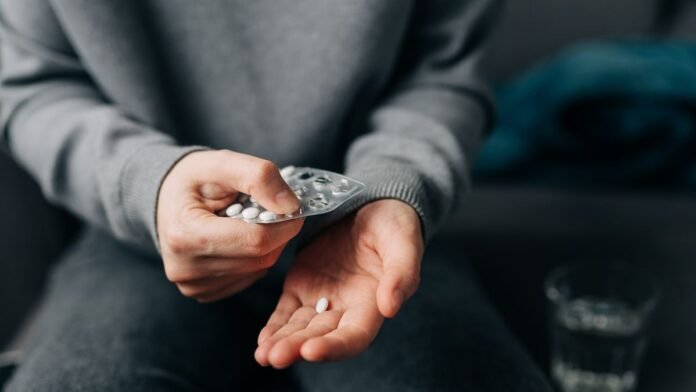
A cautionary message from a pharmacist emphasizes the importance of being mindful about dietary choices while taking medication. The expert highlighted how the intake of certain foods and drinks can affect the effectiveness of medications and potentially increase the likelihood of experiencing side effects.
Ian Budd, a Prescribing Pharmacist at the online pharmacy Chemist4U, pointed out that even seemingly healthy options like fruits, vegetables, and supplements can impact how medications function or are absorbed by the body. For instance, consuming grapefruit juice along with breakfast can interfere with medications for blood pressure, antidepressants, or cholesterol, while foods rich in vitamin K can influence the efficacy of blood thinners. These seemingly minor details can significantly influence the outcome of the treatment.
1. Grapefruit stands out as a significant culprit in medication interactions. The pharmacist noted the common practice of consuming grapefruit or its juice alongside medication, particularly during breakfast or as a snack. Therefore, it is advisable to avoid this combination to prevent potential adverse effects.
Explaining further, the pharmacist highlighted that grapefruits contain natural compounds that inhibit an enzyme in the liver responsible for breaking down certain medicines. Consequently, the body’s ability to process the drug is disrupted, leading to a higher concentration of the medication in the system. This can intensify side effects or increase their likelihood, especially with medications like statins, blood pressure tablets, certain antidepressants, or immune-suppressing drugs. Even a single glass of grapefruit juice can impact the medication for up to a day, making it safest to avoid it entirely in conjunction with these medications.
2. Leafy greens, such as spinach, kale, and broccoli, pose a similar risk due to their high vitamin K content, crucial for blood clotting. These greens can interfere with warfarin, a medication that slows down the effect of vitamin K to prevent blood clots. Inconsistent consumption of vitamin K-rich foods can disrupt the balance, making warfarin either less effective or excessively potent. Therefore, maintaining a consistent intake of these foods is recommended to ensure the proper functioning of warfarin.
3. Despite being a popular choice for its health benefits, cranberry juice can pose a problem for individuals on warfarin. The natural compounds in cranberries can impact how the body metabolizes warfarin, potentially increasing its potency beyond the intended level. This elevation in drug strength can lead to thinner blood, elevating the risk of bruising or bleeding. While occasional consumption may not cause harm, regular intake or supplements can be risky when taking warfarin, necessitating consultation with a pharmacist before incorporating it into the daily routine.
4. Dairy products like milk, cheese, and yogurt, while beloved by many, can affect the efficacy of certain antibiotics. The calcium in dairy can bind to medications like tetracyclines and fluoroquinolones commonly used for chest or urine infections, hindering proper absorption and potentially prolonging the clearance of infections. To mitigate this interaction, it is advised to schedule antibiotic doses a few hours before or after consuming dairy products.
5. Tyramine-rich foods, including aged cheeses and cured meats, can cause issues for individuals on older antidepressants known as MAO inhibitors. Consuming these foods can trigger a sudden rise in blood pressure, leading to symptoms like headaches, rapid heartbeat, or high blood pressure. While these medications are less commonly prescribed nowadays, it is essential for those on MAO inhibitors to be aware of foods to avoid. Pharmacists can offer guidance on identifying tyramine-rich foods and suggest alternatives to enjoy meals safely.
6. Alcohol, a prevalent beverage especially during the holiday season, can interact with medications, affecting their efficacy differently depending on the specific drug. Alcohol consumption can enhance the sedative effects of certain medications like antidepressants, sedatives, and potent painkillers, potentially causing drowsiness or instability. Moreover, alcohol can strain the liver and disrupt the action of diabetes medications, complicating blood sugar control. While moderate alcohol consumption may be acceptable, consulting the patient information leaflet or a pharmacist can provide clarity on safe alcohol use in conjunction with medications.
In conclusion, being aware of how dietary choices can influence medication outcomes empowers individuals to manage their health effectively and maximize the benefits of their treatment regimen. Understanding the role of medication within daily routines enhances safety and efficacy, promoting better health outcomes.