
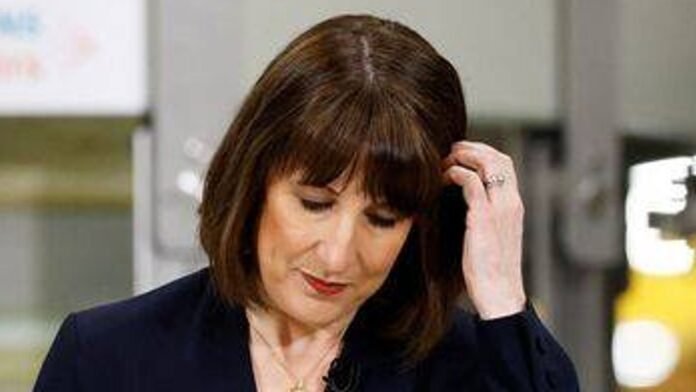
Rachel Reeves has informed the Budget watchdog about her intentions to increase income tax in her upcoming statement on November 26. The Chancellor has reportedly signaled her plans to the Office for Budget Responsibility (OBR), indicating that a rise in personal taxation is among the significant tax measures under consideration.
Reeves is contemplating a 2p rise in income tax and a 2p reduction in national insurance, as per a report from The Times. This move aims to shift the tax burden away from workers to other sectors such as pensioners and landlords. The proposed cut in national insurance would apply to earners below £50,270, lowering the rate from 8% to 6%, while individuals earning above this threshold would not benefit from the reduction.
Although Reeves’s plans are not final and subject to change, submitting them to the OBR signals her intent to deviate from the manifesto promise of not raising income tax. The OBR is expected to provide an assessment of the potential impact of such a tax increase in the coming week.
Deputy Labour leader Lucy Powell, who succeeded Angela Rayner, cautioned Reeves against breaching Labour’s manifesto commitments, including the pledge regarding income tax hikes. When asked about Powell’s remarks, Housing Secretary Steve Reed refrained from commenting on specific Budget measures but emphasized that Labour is committed to fulfilling its manifesto pledges.
Reeves recently refused to uphold Labour’s election pledge not to increase income tax, VAT, or national insurance, acknowledging the need to make tough decisions in the Budget to prioritize addressing NHS waiting lists, reducing the cost of living, and cutting national debt. In a pre-Budget speech, she emphasized the necessity for all citizens to contribute, acknowledging the current economic realities.
Addressing concerns about breaking election promises, Powell emphasized the importance of maintaining trust in politics and ensuring that ordinary working people benefit from Labour’s governance. She reiterated the party’s commitment to putting more money into the pockets of working-class individuals, aligning with the manifesto’s core objectives.
A spokesperson from HM Treasury outlined the Budget’s context, highlighting the focus on addressing global economic challenges and securing Britain’s future by addressing key priorities such as reducing waiting lists, national debt, and the cost of living.