
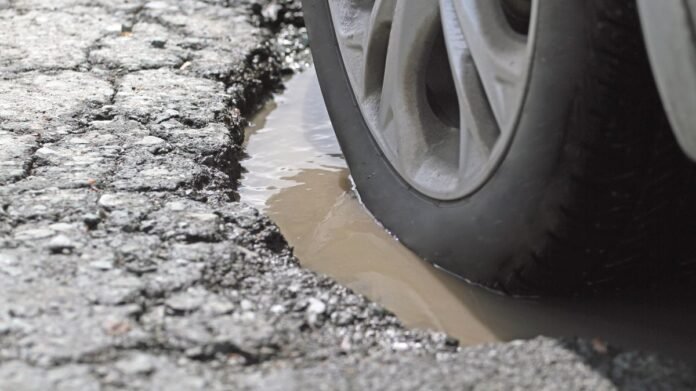
Potholes continue to be a major concern for drivers, with many sharing their own experiences of navigating around these road hazards. The issue of potholes has even become a prominent topic in electoral discussions, as governments have often shifted responsibility to local councils and highway agencies for addressing this problem. However, the public’s frustration with potholes remains high, alongside concerns about litter and waste management.
Recent government funding of £7.3 billion for road maintenance falls short of the estimated £17 billion needed to repair all potholes nationwide. A detailed map has been provided to allow residents to track their council’s progress in addressing pothole repairs. While some may feel discouraged about reporting potholes due to past experiences with unresponsive councils, it’s important to be persistent and knowledgeable about the legal process to potentially succeed in making a claim.
In cases where drivers consider making an insurance claim for pothole-related damages, having a comprehensive policy is essential. However, insurers may require claimants to first pursue the matter with the council. It’s worth noting that even notifying insurers about incidents, whether or not a claim is made, can impact premiums. Therefore, individuals often choose to engage directly with the responsible authority if the claim amount is relatively low.
Potholes vary in size and risk level, with Local Highway Authorities setting different criteria for their classification. When making a claim, understanding how a specific council defines a pothole is crucial. Providing detailed information about the incident, including photographic evidence and repair quotes, can strengthen a claim. Reporting the pothole to the responsible authority and following the proper appeals process is essential for seeking compensation for damages.
Despite the complexities involved in pothole claims, individuals have successfully navigated the process through persistence and thorough documentation. Pursuing a claim through the Small Claims Court may be necessary if disagreements with the council persist. While the legal procedures may seem daunting, many have achieved favorable outcomes through small claims cases. By being proactive and informed, individuals can effectively address pothole-related issues and seek appropriate compensation.