
Recent developments between Iran and the United States reveal two key aspects: ongoing diplomatic discussions and a significant American military buildup suggestive of potential conflict.
Observers suggest that the diplomatic engagements may primarily serve as a show for domestic audiences, with President Trump and Tehran appearing to engage in efforts to avoid direct confrontation. However, experts warn that the military escalation on the American side indicates a looming clash.
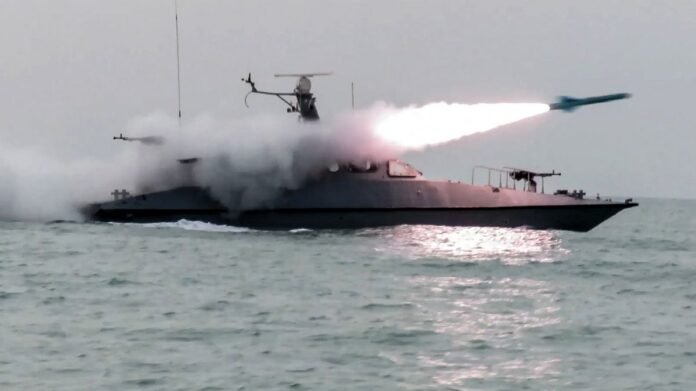
While Iranian diplomat Abbas Araghchi has noted progress in recent talks in Geneva, internal motivations and concerns about public perception may drive such statements. Simultaneously, the Iranian Revolutionary Guard Corps is reportedly bolstering its military capabilities, emphasizing readiness for any potential conflict.
Israeli Prime Minister Benjamin Netanyahu’s warnings to Trump regarding preemptive strikes against Iran’s ballistic missile sites further highlight the escalating tensions in the region. Security sources suggest that Israel may soon present evidence of alleged Iranian provocations to maintain momentum towards military action.
Amidst these developments, military movements by the US, including the deployment of naval assets and fighter aircraft to the Middle East, signal preparedness for potential hostilities. Analysts anticipate potential airstrikes by the US and Israel against Iran in the near future, raising concerns about the broader implications of such actions.
The prospect of a protracted conflict with Iran, potentially leading to destabilization akin to past conflicts in Syria and Iraq, remains a significant concern. The potential fallout, including the risk of insurgency and terrorism, underscores the gravity of the situation and its global implications.