
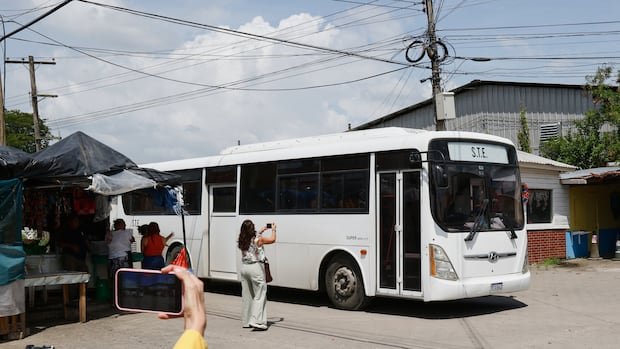
The deportation of nearly 2,300 Mexicans to Guatemala and dozens to Honduras from the United States has increased this year, a change from the early days of President Donald Trump’s second term when such transfers were rare. Previously, only a few Mexicans were expelled to countries other than Mexico due to the non-refoulement principle in U.S. immigration law and international treaties. This principle prohibits returning migrants to countries where their rights could be in jeopardy.
The Mexican National Migration Institute (INM) confirmed that Mexicans have been deported to Guatemala and Honduras by the Trump administration since April, with subsequent transportation to southern Mexico. The Mexican government has expressed opposition to this practice, emphasizing every Mexican citizen’s right to enter the U.S.
Friction between Mexico and the U.S. has been fueled by the flow of migrants across the border. Mexico has raised concerns over the deaths of 17 Mexicans in U.S. immigration custody. The U.S. Department of Homeland Security defended the transfers to Central America as part of a broad deportation effort promised by President Trump.
Guatemalan President Bernardo Arévalo stated that 2,284 deported Mexicans have transited through Guatemala before being returned to Mexico. Similarly, Honduran officials noted the arrival of 82 Mexicans in San Pedro Sula and an additional 35 deportees. Human Rights First reported 165 Mexicans deported to Honduras from May to mid-July.
Immigration lawyers believe the U.S. is exploiting a legal loophole by deporting individuals to third countries to indirectly pressure asylum seekers to return to Mexico. Trump’s agreements with Central American countries aim to serve as transit destinations for expelled migrants. Haiti and Liberia have also seen deportations under new agreements, affecting individuals under temporary protected status.
Activists warn of the dangers faced by deportees in Haiti due to escalating violence and poverty. Liberia has received deportees from various regions, offering the possibility of seeking asylum. The U.S. State Department reaffirmed its commitment to curbing illegal immigration and enhancing border security.