
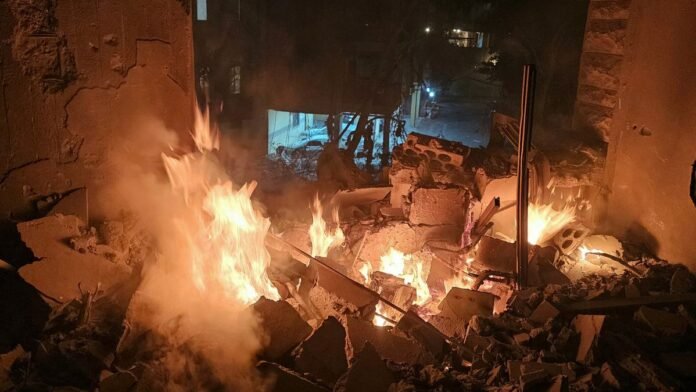
American and Israeli military strategists believed that eliminating Iran’s supreme leader, Ayatollah Khamenei, would significantly weaken Tehran’s armed forces. However, despite three days of intense bombing, intelligence reports indicate that Tehran’s command and control system remains intact.
This assessment suggests that the United States may have underestimated Iran’s resolve, leading to a potential prolonged and bloody conflict. President Donald Trump’s reliance on coercion and aggression in international affairs is seen as shortsighted.
Unlike previous administrations that considered the long-term implications of military actions, the current approach lacks strategic foresight. While Israel remains focused on eventual victory, the US faces political and global repercussions for engaging in a potentially protracted conflict.
US Defense Secretary Pete Hegseth’s simplistic view of the situation emphasizes the goal of neutralizing Iran’s military capabilities, including its missiles and navy, to prevent the development of nuclear weapons. However, there are concerns that Iran aims to engage in a war of attrition to deplete US and Israeli defense resources.
As the conflict escalates, there is a growing risk to the global economy, particularly due to potential disruptions in oil supply. The shifting dynamics within Iran, including the possibility of a moderate regime emerging, raise uncertainties about the country’s future stability.
The presence of a significant number of hardline Islamic Revolutionary Guard Corps members further complicates the situation, potentially leading to internal strife and chaos in the Middle East. The ongoing military actions could prompt a surge in defense resources in the region, highlighting the consequences of hasty decision-making in international affairs.