
Millions of households could see an annual reduction of £39 on their energy bills as part of a plan to restructure the Warm Home Discount funding. The proposal aims to transfer the costs from the fixed standing charge to the variable unit rate, benefiting low-energy users and financially strained households struggling with heating expenses.
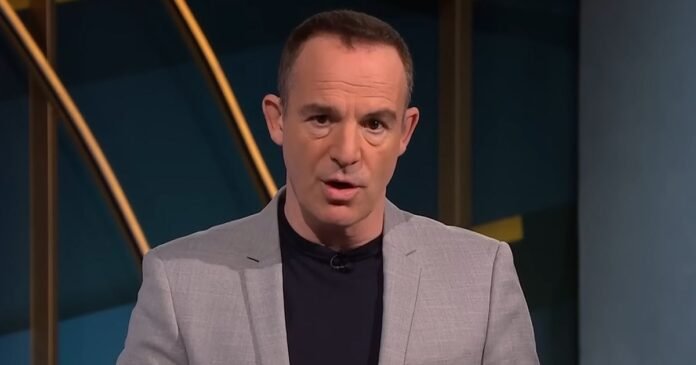
A recent government consultation seeks to implement this change by shifting the funding mechanism, with the consultation period ending on January 6. Well-known consumer advocate Martin Lewis praised the initiative, stating that it represents a positive step forward.
The Warm Home Discount scheme, overseen by the government, offers a one-time £150 discount on electricity bills for qualifying low-income and vulnerable households during the winter season. This winter, the program has been extended to approximately six million households, up from 2.7 million.
Currently, suppliers recover these costs through the standing charge, a fixed daily fee applied to all customers irrespective of energy consumption. The proposal suggests transferring the expenses to the unit rate, the charge per kilowatt for gas and electricity, starting from April next year.
Although most households, particularly low-income ones with minimal energy usage, are expected to benefit from this adjustment, high energy users, including those charging electric vehicles at home, could face increased costs due to the shift to the unit charge.
Concurrently, the government is set to implement a promised £150 annual saving on average energy bills through measures outlined in the Budget. These measures involve ending the Energy Company Obligation and reallocating funding for the Renewables Obligation to general taxation, resulting in potential savings of up to £395 for households reliant on electric storage heating.
Moneysavingexpert.com founder Martin Lewis emphasized on social media that the proposed changes should lead to a decrease in standing charges and unit rates, ultimately reducing energy bills for consumers. He highlighted the existing issue of standing charges discouraging lower energy usage and expressed relief at the forthcoming adjustments.
The government’s consultation estimates that around 16.5 million households, including 2.8 million low-income households, will benefit from the funding shift. However, approximately 12 million households may experience a negative impact solely from this change. When factoring in the Budget measures, these households are still projected to be £138 better off annually.