
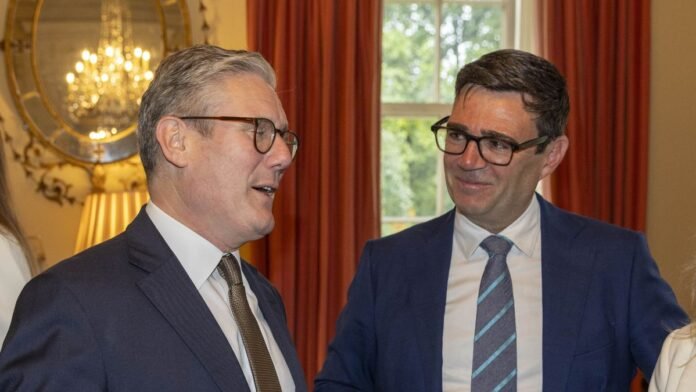
After Andy Burnham expressed his desire to compete in the Gorton and Denton by-election, Keir Starmer found himself in a challenging position. Allowing Burnham to participate in the election risked fueling speculation about a potential leadership challenge and eliminating a barrier to such a move, as only MPs are eligible to run for the leadership position.
The possibility of facing an unexpected mayoral by-election in Greater Manchester, alongside already difficult upcoming elections in Scotland, Wales, and English councils in May, added to the dilemma. Poor performance by Labour in these elections could pose a significant threat to Starmer, with contenders like Burnham waiting for an opportunity to seize leadership.
The alternative, which the Prime Minister opted for, was to prevent Burnham from running, citing the financial burden on taxpayers to hold a mayoral race and the diversion of party resources from the May elections. While this action eliminated the immediate risk, it could have detrimental long-term consequences.
Following the announcement, MPs flooded with anger, accusing Labour’s governing body of orchestrating a setup. Burnham runs the risk of becoming a symbol for discontented backbenchers who view the decision as an overreach of power by Downing Street.
The Parliamentary party has already shown a tendency for rebellion by forcing the government into multiple policy reversals, and provoking them further will only complicate Starmer’s position.
Before the decision was made, a government minister suggested that allowing Burnham to run would have been a bolder move, and blocking him could make Starmer appear weaker.
The PM’s camp has been actively discrediting Wes Streeting, seen as a potential leadership rival, and now prevented Burnham from returning to Westminster. Opinions vary on whether these actions demonstrate strength or weakness, with many leaning towards the latter.
Supporters of the Prime Minister argue that the decision regarding Burnham should put an end to internal disputes that the public is growing weary of. However, until Starmer can improve Labour’s declining poll ratings, doubts about his future will persist.
While Burnham has his critics, some argue that his personal ambitions are prioritized over the interests of the people of Greater Manchester who elected him recently. Despite unsuccessful attempts to become the Labour leader in the past, he remains a popular figure, earning the moniker “King of the North” during the pandemic.
Although Labour secured Gorton comfortably in 2024, the party faces a challenge to retain it as Reform intensifies efforts to cause an upset, and the Greens attract left-leaning voters. Burnham has cautioned about the repercussions of blocking him on the election outcome.
Should Labour lose the upcoming by-election, serious consequences are anticipated.