
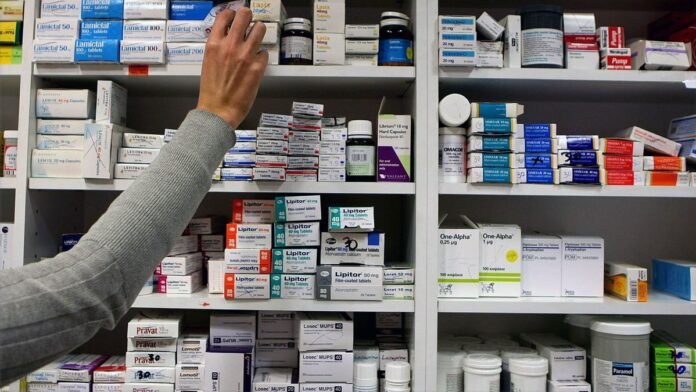
Family-owned pharmacies are increasingly shutting down in low-income areas across the country, leading to the emergence of “pharmacy deserts.” A recent analysis by the National Pharmacy Association has identified the regions with the highest closure rates, with over 1,400 pharmacies shutting down since 2016. Data from the NHS show that the majority of the top 50 areas affected by closures have above-average poverty levels.
Nearly 90% of council areas have witnessed the permanent closure of at least one pharmacy in the past three years. The decline in pharmacy numbers began in 2016 when government funding for pharmacists was reduced by the Tory administration.
Liverpool has been identified as the city most impacted by pharmacy closures, followed by York. Other areas like Blackpool, Wakefield, Coventry, and Kingston Upon Hull are also among the top ten regions experiencing significant pharmacy closures since October 2022.
West Berkshire has been dubbed the country’s “pharmacy desert,” with the lowest ratio of pharmacies per capita, closely followed by Wokingham. Notably, nine out of ten areas with the lowest provision of community pharmacies are rural regions.
The Mirror is actively campaigning to preserve family-owned pharmacies and halt the ongoing closures that are adding strain to already overburdened GP services. According to the National Pharmacy Association, the pharmacy network in 2025 is expected to reach its lowest point in two decades, with one in ten pharmacies closing over the past ten years.
Henry Gregg, the chief executive of the National Pharmacy Association, expressed concern over the deteriorating access to essential medication and care for patients, particularly in deprived communities facing significant health challenges.
The Labour party recently implemented the first substantial funding increase for the pharmacy sector since 2014, injecting £617 million over two years, with a focus on expanding the Pharmacy First scheme. This initiative allows individuals with seven common conditions to seek treatment directly from a pharmacist for ailments such as sinusitis, sore throat, earache, and others.
Mr. Gregg emphasized the importance of continued government support beyond the initial funding increase, emphasizing that it should mark the beginning of a sustained effort. The Pharmacy First scheme has already benefited five million patients in England, offering consultations for conditions that would typically require a GP appointment.
NHS England officials are encouraging more patients to utilize the Pharmacy First scheme, which enables pharmacists to address seven common ailments directly. Sore throat consultations have been particularly popular, with 836,000 individuals opting for pharmacist consultations in the scheme’s inaugural year.
Approximately 2.4 million patients have received consultations with pharmacists without prior appointments, highlighting the convenience and accessibility of community pharmacies. Dr. Wendy Taylor of the Local Government Association stressed the critical role of pharmacies in providing essential healthcare services, especially in deprived areas where they serve as vital points of contact with the NHS.