
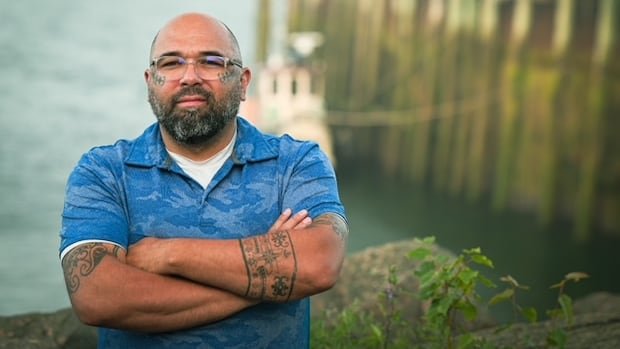
Peskotomuhkati individuals on both sides of the Canada-U.S. border are expressing concerns about a proposed underwater AI data center in Maine that could impact a crucial waterway integral to their sustenance, heritage, and sense of self. Aaron Dana, a tribal representative in the Maine Legislature, emphasized the potential environmental repercussions of the planned data center in Eastport, Maine, extending to the surrounding waters. The primary worry for Peskotomuhkati leadership revolves around the water bodies that have traditionally supported their communities for many generations, with Dana highlighting the significance of these resources not only for their people but also for global food sources.
The proposed data center aims to utilize tidal turbines for generating electricity to power underwater AI computing and cooling systems. The vision outlined by Deepgreen Western Passage involves approximately 50 tidal turbines producing 15 megawatts of power and accommodating up to 34 underwater AI server pods within an area of about 11 hectares out of a total study area of 161.8 hectares in the western passage of Passamaquoddy Bay. Dana underscored the complexity of the project due to the international border and its potential impacts transcending the boundary between New Brunswick and Maine, stressing the environmental significance of the region.
Expressing apprehensions about the potential exacerbation of existing environmental issues, Dana noted the project’s association with climate change and the need for careful consideration of its implications. Highlighting the historical and cultural significance of the St. Croix River and Passamaquoddy Bay to the Peskotomuhkati people, he emphasized the importance of preserving the region’s health for their identity and sustenance.
Acknowledging the longstanding presence of Peskotomuhkati territory that predates the Canada-U.S. border, Dana mentioned efforts by community leaders to collaborate in safeguarding their shared land. The term “Peskotomuhkati” is associated with the abundance of pollock in the region, with the health of the water bodies closely intertwined with their cultural identity. The dwindling populations of essential fish and wildlife in the area have raised concerns among community members, with a plea for safeguarding the remaining resources from further impacts.
In the Eastport region, concerns raised by Peskotomuhkati leaders align with those of local residents and city officials. The city council’s opposition to the proposed data center, along with significant public involvement in voicing concerns, reflects a shared apprehension about the project’s potential implications. The jurisdictional complexities surrounding the offshore infrastructure have prompted a closer examination of the city’s authority over the project, especially in light of potential federal jurisdictional oversight.
The developer of the project, Louis Wolfson, emphasized that the project is still in its preliminary stages, focusing on environmental and engineering studies. Wolfson highlighted the company’s commitment to engaging with communities, including Wabanaki leadership in Maine, and ensuring transparency in sharing environmental data. Despite initial skepticism, the developer reiterated a commitment to respecting tribal sovereignty and engaging in meaningful dialogue with the concerned communities.
Peskotomuhkati representatives, including Dana, have expressed opposition to the project, citing a lack of intention to alter their stance despite consultations. Dana raised concerns about superficial engagement with tribal nations in Maine, emphasizing the need for genuine dialogue and consideration of community perspectives.