
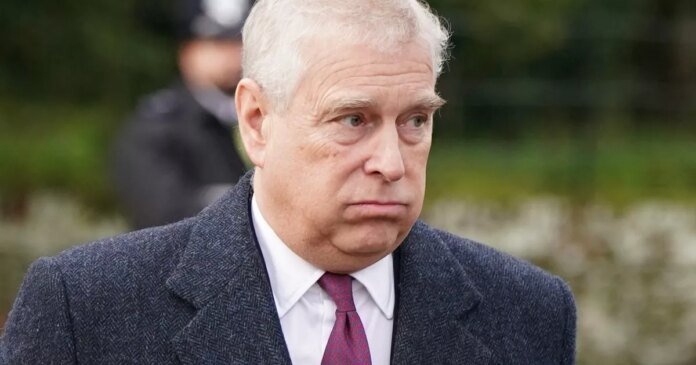
If Andrew Mountbatten-Windsor had hoped the controversy surrounding him would fade away, the recent release of images from Jeffrey Epstein’s Caribbean estate has shattered that illusion. The ongoing scandal continues to haunt him, with the latest photos from Little St James Island shedding light on its dark history of exploitation and secrecy.
These newly unveiled images, obtained from US Virgin Islands authorities and disclosed by the US House Oversight Committee, offer a glimpse into the sinister reality hidden behind the facade of a supposed tropical paradise. The stark depiction of empty rooms, abandoned spaces, and unsettling scenes paints a troubling picture of an island plagued by allegations of misconduct.
The significance of these revelations lies not only in the disturbing visuals themselves – the closed dental office, walls adorned with masks, a deserted steam room cluttered with linens, and a peculiar chalk-covered study – but also in the larger context. These materials form part of an ongoing political inquiry in Washington, demanding transparency regarding Epstein’s network and the individuals frequenting his private properties.
For Andrew, the release of these images signifies that the scrutiny surrounding him is far from over. Despite attempts by the Palace to distance themselves and declare his removal from royal duties as closure to the scandal, each new piece of evidence, including these recent photos, serves as a stark reminder that this chapter remains unresolved. The shadow of association persists, challenging any efforts to erase it from public memory.
In the US, lawmakers are intensifying their investigations into Epstein’s connections with influential figures, promising more revelations to come. The call for the full disclosure of federal files related to Epstein ensures that the scandal will only escalate, potentially exposing further uncomfortable truths about his inner circle.
Andrew’s entanglement in this web of controversy is undeniable. His presence at Epstein’s properties and admission of visits to the island depicted in these images have left a lasting stain on his reputation, despite his claims of innocence. As political pressure mounts and calls for transparency grow louder, the public eye remains fixed on his involvement, questioning his motives and associations.
The emergence of these haunting images serves as a stark reminder of the dark realities lurking behind closed doors, showcasing the island’s sinister past as a hub for exploitation. Andrew’s link to this environment only deepens the intrigue surrounding his actions and raises pressing questions about his involvement.
As the investigation unfolds and more information comes to light, the spotlight on Andrew’s connection to Epstein’s activities will only intensify. The narrative surrounding Little St James Island continues to unravel, exposing uncomfortable truths and challenging Andrew’s attempts to distance himself from the scandal. For a once-prominent figure navigating the corridors of power, the enduring shame lies in the fact that the scandal he hoped to outlast is now defining his legacy.