
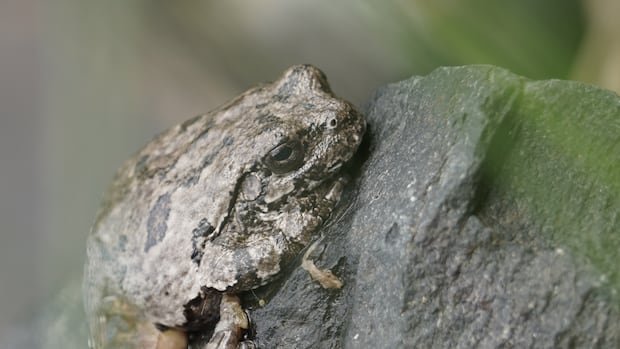
Frogs and toads in Manitoba may be facing a deadly threat from a fungal disease known as chytridiomycosis. This disease, caused by the fungal pathogens Batrachochytrium dendrobatidis in frogs and Batrachochytrium salamandrivorans in salamanders, has devastated amphibian populations globally, leading to the extinction of numerous species.
Although chytridiomycosis has not been officially detected in Manitoba, there is a strong belief that the pathogen is present in the province due to its widespread distribution across North America. Researchers have warned that the disease could pose a significant risk to amphibians in the region.
The situation is particularly concerning for species like the northern leopard frog, which has experienced population declines in Manitoba over the years. There are suspicions that chytrid may have contributed to a drastic decrease in frog numbers in the past.
Recent studies have shown that chytrid has been responsible for the extinction of at least 90 amphibian species and has severely impacted over 500 others worldwide. Experts have labeled it as one of the worst infectious diseases among vertebrates, emphasizing the urgent need for monitoring and conservation efforts to protect vulnerable amphibian populations.
Researchers at Brandon University are conducting proactive monitoring programs to assess the presence of the fungal pathogen in Manitoba’s amphibian populations. By identifying potential habitats where the pathogens could thrive, they aim to mitigate the impact of chytrid and prevent further declines in amphibian populations.
The health of wetlands is crucial for the overall well-being of ecosystems, as wetlands play a vital role in supporting diverse flora and fauna. Monitoring programs like the one at Brandon University could provide valuable insights into the overall health of wetland ecosystems and help safeguard amphibian populations from the threat of chytridiomycosis.
Efforts are also underway to develop strategies to combat the disease, such as inoculating young frogs against the effects of chytrid. Initial experiments have shown promising results, raising hopes for the successful reintroduction of amphibians in regions affected by the fungal pathogen.
As researchers continue their vigilance against chytrid in Manitoba, there remains optimism that proactive measures and conservation initiatives could help safeguard the province’s amphibian populations from the devastating effects of this lethal fungal disease.