
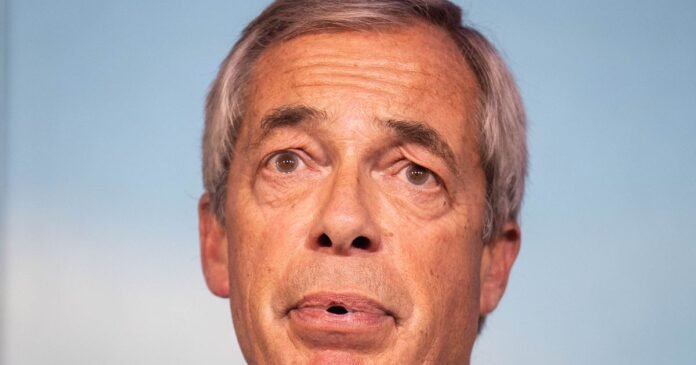
Bereaved families have criticized Nigel Farage for his stance on terminating the ongoing Covid Inquiry, citing the high costs incurred. Farage raised concerns about the inquiry’s expenses, which have surpassed £192 million over three years since its inception in 2022. The comprehensive investigation is slated to release its final findings by 2027.
Approximately 227,000 individuals in the UK have succumbed to Covid-19, as indicated on their death certificates. Chief Medical Officer Professor Chris Whitty has emphasized the inevitability of another global pandemic.
Following the release of expenditure figures, Farage expressed his discontent, advocating for the swift conclusion of the inquiry. In response, a spokesperson for Covid-19 Bereaved Families for Justice UK condemned Farage’s statements as a disrespectful affront to the deceased and their grieving families.
The spokesperson highlighted the preventable nature of many deaths, attributing them to factors like PPE shortages, premature patient discharges, and delayed lockdown measures. Criticizing Farage’s push to halt the inquiry, the spokesperson stressed the importance of seeking justice and holding those accountable for the tragic outcomes.
The spokesperson underscored that the cost of the inquiry, equivalent to 0.01% of the government’s annual expenditure, is a minimal investment towards ensuring accountability and preventing future loss of lives. The inquiry’s significance in investigating the profound impact of the pandemic on society was also emphasized.
Farage’s skepticism towards the inquiry, echoed by other establishment figures, was attributed to their reluctance to be held accountable by ordinary citizens. The spokesperson reiterated their commitment to pursuing justice through continued advocacy efforts.
Responding to criticisms, a spokesperson for the UK Covid-19 Inquiry clarified that the inquiry’s scope, covering the entire UK population during a two-year pandemic, warranted thorough examination and significant resources. The Inquiry chair, Baroness Hallett, outlined the extensive task of assessing the pandemic response across England, Scotland, Wales, and Northern Ireland.
Emphasizing the need for meticulous scrutiny of the UK’s pandemic planning and response, the spokesperson assured that the inquiry is progressing rapidly. The upcoming reports, including one on political decision-making, are scheduled for release in the following months, with the final report expected in the first half of 2027.