
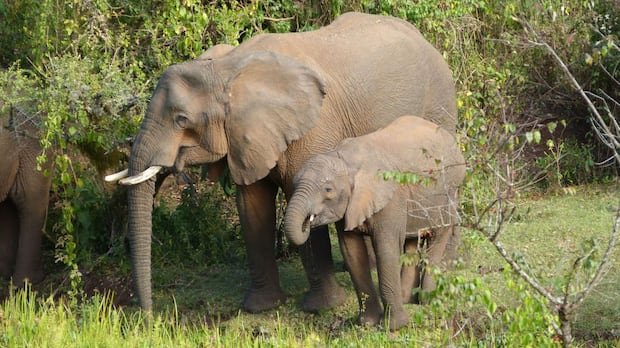

An ailing elephant is seen chewing on the bark of a tree commonly utilized in traditional medicine. A mother elephant combines a plant with recognized medicinal benefits into her milk to nourish her offspring.
Various accounts have been collected by researchers from local wildlife scouts and community members regarding African elephants in the Mount Elgon area of Kenya.
“At this point, I’m no longer surprised,” remarked Elodie Freymann, a scientist studying self-medication in the animal realm, in a conversation with As It Happens guest host Helen Mann.
“Given the intelligence and intricate nature of elephants and their societies, it was only a matter of time before we delved into the vast array of medicinal plants these elephants are utilizing in their natural habitat,” she added.
Freymann co-authored a recent study, published in the journal Nature on Thursday, which leverages local insights to document numerous medicinal plants employed by Mount Elgon elephants.
The study contributes to the increasing evidence portraying elephants as sophisticated and intelligent beings, emphasizing the necessity to safeguard the biodiversity crucial for their survival.
Nonetheless, scientists advise that further research is imperative to conclusively determine whether the elephants are engaging in self-medication.
Utilizing Indigenous Knowledge
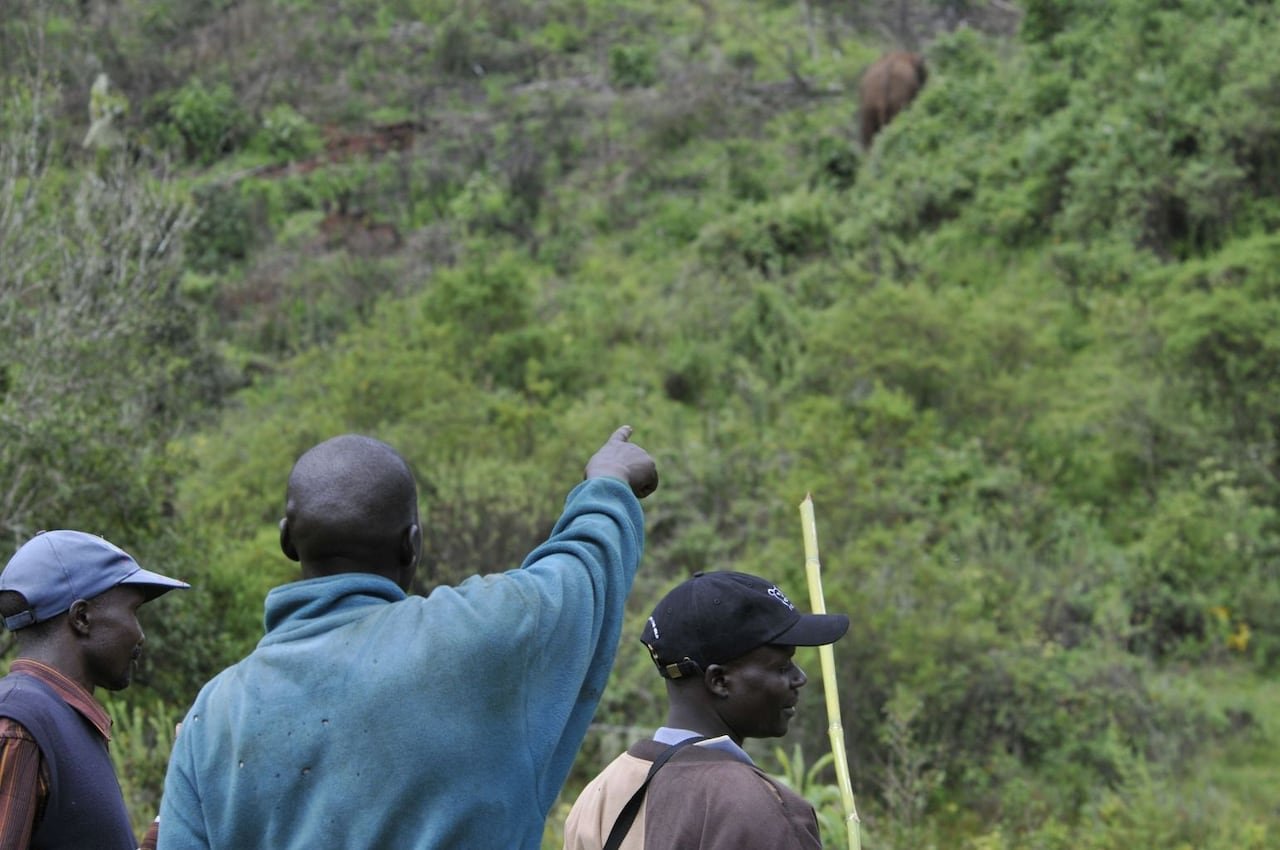
The research findings stem from interviews with eight members of the Sabaot community who have extensive experience living and interacting with elephants over many years, including wildlife scouts, community guides, and village elders.
In certain instances, they recount observations of elephants displaying signs of weakness, lethargy, or stomach ailments while seeking out specific plants traditionally used in local medicine. In other scenarios, they describe mother elephants administering known medicinal plants to their offspring.
Among the 35 plants mentioned in the interviews, 34 are commonly used in local traditional medicine. Eight of the nine most frequently referenced plants have been scientifically documented to possess pharmacological properties.
“We engaged directly with individuals who have coexisted with these elephant populations for numerous decades,” stated Freymann, a post-doctoral fellow at Brown University in Rhode Island.
“Western science has often overlooked these local perspectives for an extended period, and it’s high time we give them the recognition they deserve,” she emphasized.
Further Evidence Required
Chase LaDue, an elephant ecologist unaffiliated with the study, commended the research as a solid foundation for future investigations but highlighted that it does not definitively establish elephants’ intentional use of medication for themselves or their offspring.
“No health data was provided to confirm the actual health status of these elephants, and there was no assessment of whether the consumption of these plants had any impact,” LaDue, a curator at the Oklahoma City Zoo and the executive director of the Sri Lanka Elephant Project, remarked via email.</