
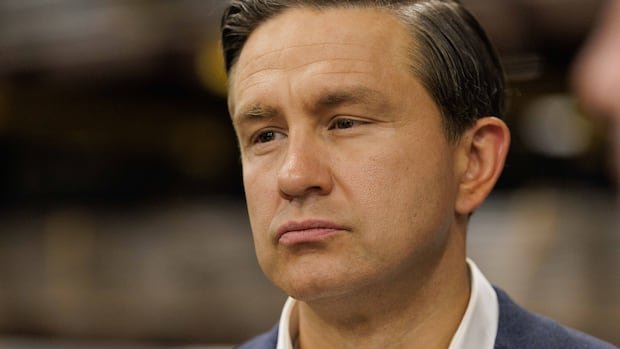
Conservative Leader Pierre Poilievre is urging Prime Minister Mark Carney to convene Parliament for more information on the rejected U.S. trade deal and the potential impact on Canadians. In a letter to Carney, Poilievre emphasized the importance of transparency by releasing the text of the deal to allow Canadians to assess their options. He also raised concerns about the potential economic repercussions of Carney’s trade and economic policies, such as increased prices on essential goods like groceries and gas.
Moreover, Poilievre sought clarification on how Carney plans to safeguard jobs in industries like steel, aluminum, lumber, and auto manufacturing, which are at risk due to tariffs. Carney had halted trade discussions with the U.S. after alleging that the U.S. administration had imposed measures limiting Canada’s trade flexibility with other nations. He vowed to retaliate against new U.S. tariffs that came into effect recently.
Poilievre underscored the parliamentary duty to hold the government accountable, emphasizing the critical need to prioritize national interests amid escalating trade tensions. He expressed readiness to return to Parliament promptly to address the economic challenges faced by Canadians. The concerns raised by Poilievre echoed those of Canada-U.S. relations critic Shuvaloy Majumdar, emphasizing the need for clarity on the deal’s terms.
Transparency emerged as a central theme in Poilievre’s letter, with accusations that Carney had withheld information concerning the Gordie Howe Bridge agreement until it was made public. Poilievre stressed that Canadians rely on Parliament to safeguard their interests and make informed decisions promptly. The U.S. imposed significant tariffs on Canadian exports, prompting Canada to walk away from what Carney deemed an unfavorable deal. Retaliatory tariffs against the U.S. are scheduled to commence soon.
In response to the trade dispute, U.S. President Donald Trump mocked Canada on social media, suggesting that Canada aspires to state-like benefits without formal status. While other Canadian opposition parties refrained from demanding public disclosure of the rejected deal details, they advocated for comprehensive briefings to party leaders and MPs on the trade negotiations’ progress. Carney accused the U.S. of introducing restrictive measures late in the negotiation process, impacting Canada’s trade partnerships with other countries and protections for language and culture. Despite the U.S. proposal to reduce auto tariffs in exchange for concessions, Carney noted the exclusion of medium and heavy trucks from the offer.