
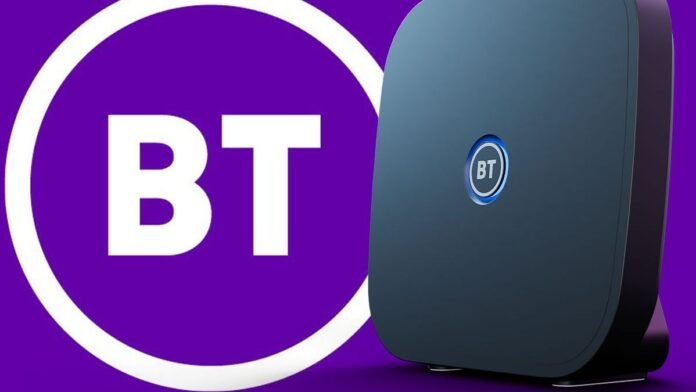
BT has introduced a new method for internet access, offering more than just connecting devices to the web. The company’s latest Smart Hub 3 Wi-Fi router is set to launch in UK households soon, providing not only enhanced connectivity but also incorporating various security features.
One notable feature is its technology that can automatically identify risky websites, giving users a heads-up before malware or other online threats can cause damage. Additionally, the router can detect hacker attempts to breach smart home devices like internet-connected cameras, preemptively blocking suspicious activities.
Users will have visibility over detected threats through the Hub Threat Protect feature on the MyBT app. These enhancements are aimed at assisting households in bolstering their online security and being proactive against potential cyber threats.
In addition to security, the Smart Hub 3 prioritizes performance. It supports Complete Wi-Fi Plus, which aids in extending signal coverage across the home and minimizing dead zones in weaker areas.
While the Smart Hub 3 boasts a sleek, minimalist design with a small BT logo at its center, it is important to note that the router supports Wi-Fi 6 instead of the newer Wi-Fi 7 standard present in some rival devices, such as EE routers.
Although Wi-Fi 7 offers faster speeds, lower latency, and improved reliability, many existing devices do not yet support it, making Wi-Fi 6 more than adequate for most households. It still represents a significant advancement from older Wi-Fi 5 and Wi-Fi 4 equipment.
For those interested in obtaining the new router, BT’s Smart Hub 3 will be available to new customers, with some existing users potentially qualifying for an upgrade.
Regarding the disparity between Wi-Fi 6 and Wi-Fi 7, Wi-Fi 6 enhanced wireless performance by boosting speed, efficiency, and capacity compared to Wi-Fi 5 and Wi-Fi 4. Wi-Fi 7 takes this further by offering wider 320 MHz channels, reduced latency, and even higher speeds, catering particularly to gaming, 8K streaming, and advanced smart home setups.
While Wi-Fi 6 remains an excellent choice for most users presently, Wi-Fi 7 presents a more future-proof solution.